
.jpg)
Web Design Trends 2026 Part 2: 6 Emerging Styles Shaping the Year
Stay updated with web design trends 2026, featuring TL;DR experience, 2.5D design, and more, plus useful implementation tips.



Having a website is one of the most important steps toward creating a strong first impression for your business. However, simply having a website is not enough. You need the right essential website pages to effectively guide visitors, build trust, improve SEO, and turn casual clicks into loyal customers.
These pages are not just optional extras. They form the backbone of an excellent user experience (UX) and strong search engine optimization (SEO).
To create a website that truly works, you need to focus on the most important essential website pages. These pages are the foundation that every successful site should have and rely on. They welcome visitors, answer questions, build credibility, and guide users toward action.
The homepage is the most visited essential website page for almost every site. It’s the first page people see when they type your domain or arrive from Google.
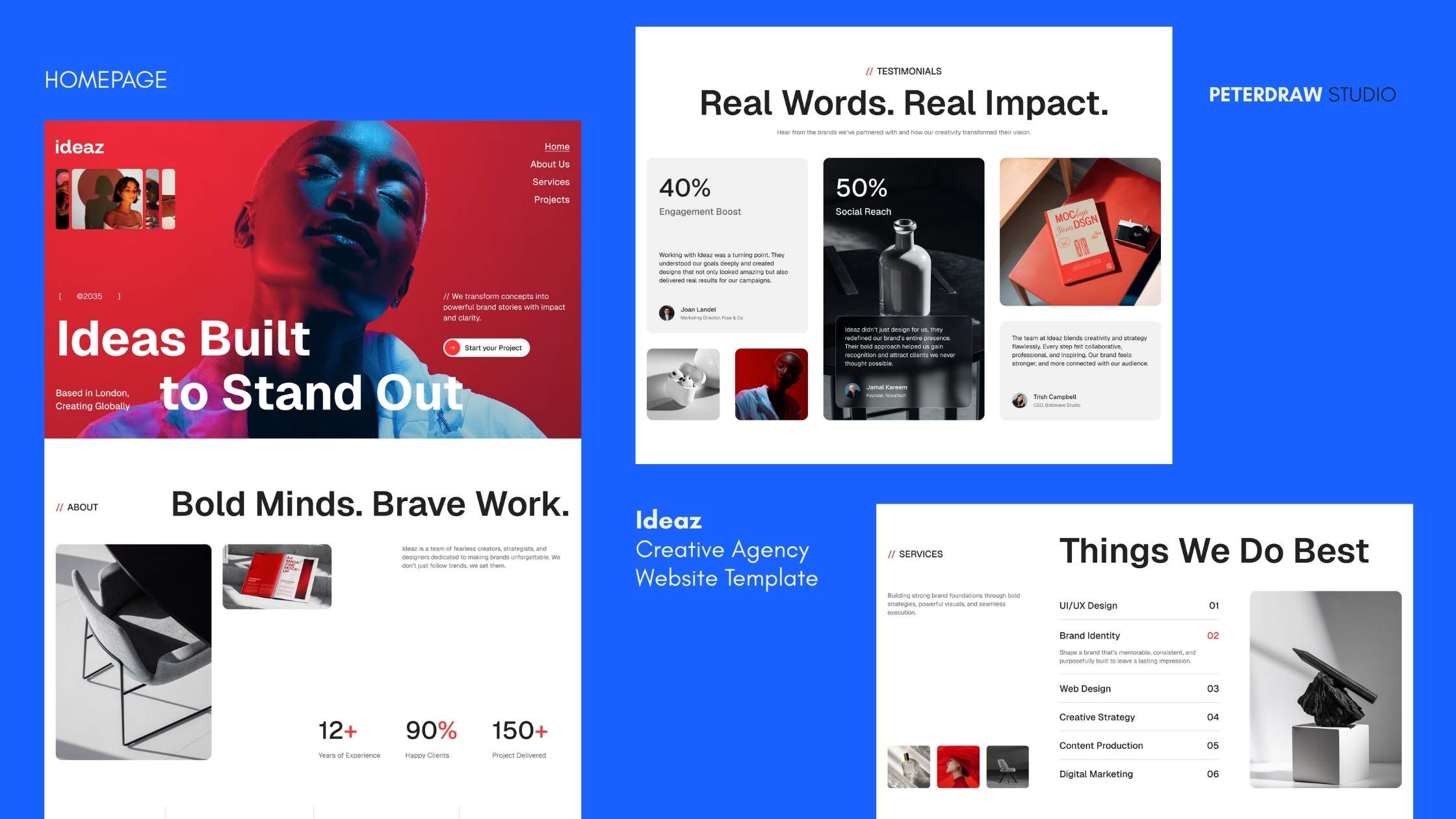
A strong homepage should instantly answer three questions:
Include a clear headline, a short benefits-focused description, eye-catching images, and one or two easy calls-to-action (CTAs) like “Get a Free Quote” or “Shop Now.” Keep navigation simple so visitors can find other pages quickly.
Pro tip: Make sure your homepage loads in under 3 seconds, slow pages hurt both user experience and Google rankings. This single essential website page often decides whether someone stays or bounces.
Visitors want to know the people behind the brand. The About Us page is one of the most important essential website pages. It helps humanize your business and builds emotional connection with visitors. This connection creates familiarity and encourages trust from the very first interaction.
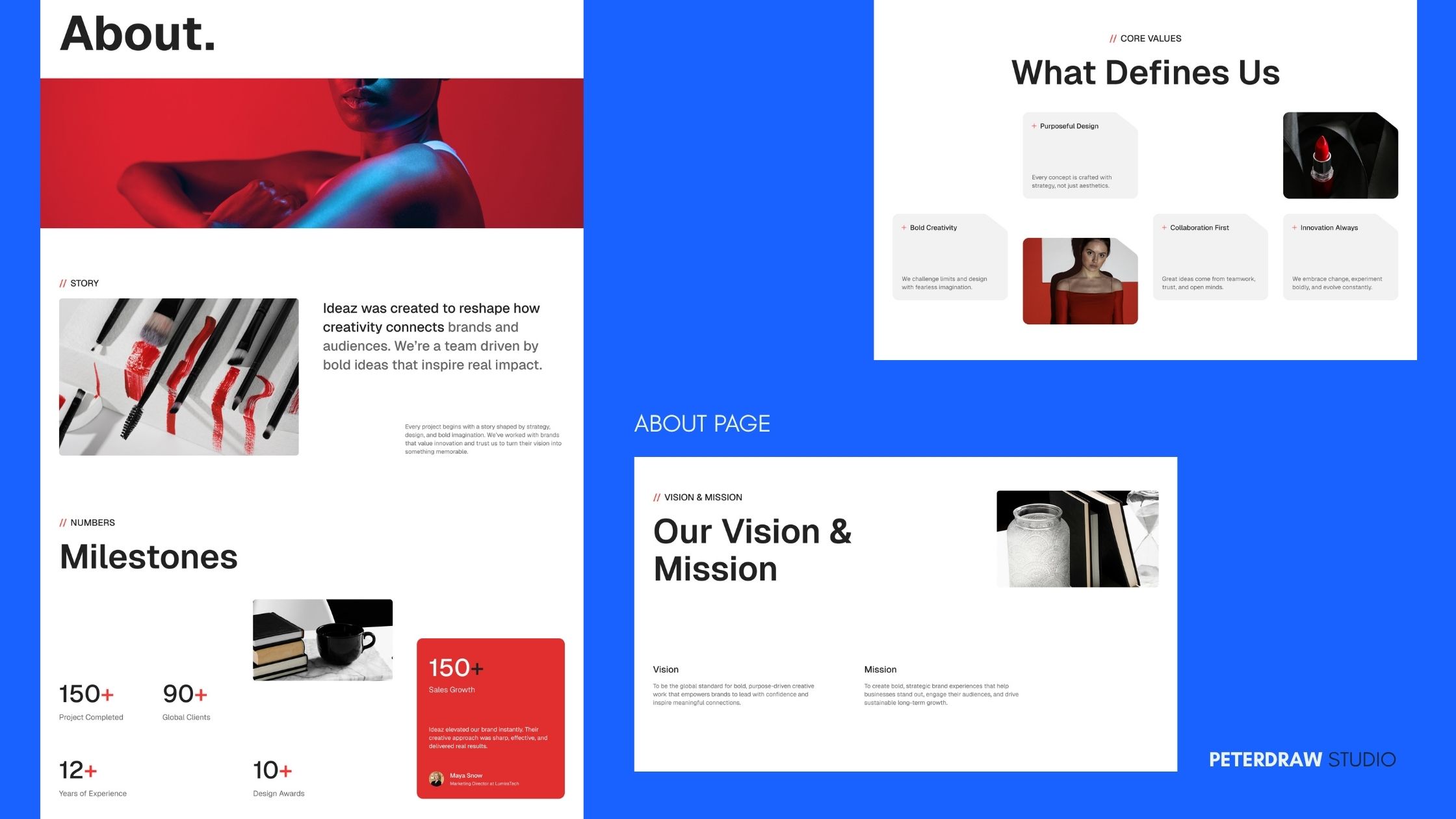
Share your story, mission, values, and team photos clearly. Explain why you started the business and what makes you different. For local businesses, mentioning your location adds a personal touch. Best sections to include in the page are:
These elements help build trust and strengthen your brand identity. They also support SEO when relevant keywords are included naturally.
Pro tip: Use real photos of your team or founder instead of stock images. Authentic images make the page more relatable and increase visitor trust significantly.
This page clearly explains what you sell or offer. It should be easy to understand at first glance. Whether you offer one service or many products, clarity matters most.

Use simple headings and clean layouts for better readability. Add bullet points to highlight benefits, not just features. Include high-quality photos to support your content visually. For e-commerce sites, link directly to product categories. For service businesses, create separate pages for each major service.
Well-structured pages help search engines understand your business clearly. This increases your chances of ranking higher in search results. It also improves user experience and keeps visitors engaged longer.
Pro tip: Focus on benefits rather than features when writing your content. Instead of “We deliver fast,” say “Receive your order in 2 days.” This makes your message feel more personal and persuasive.
One of the most practical essential website pages is the Contact page. Nothing frustrates visitors more than not knowing how to get in touch.
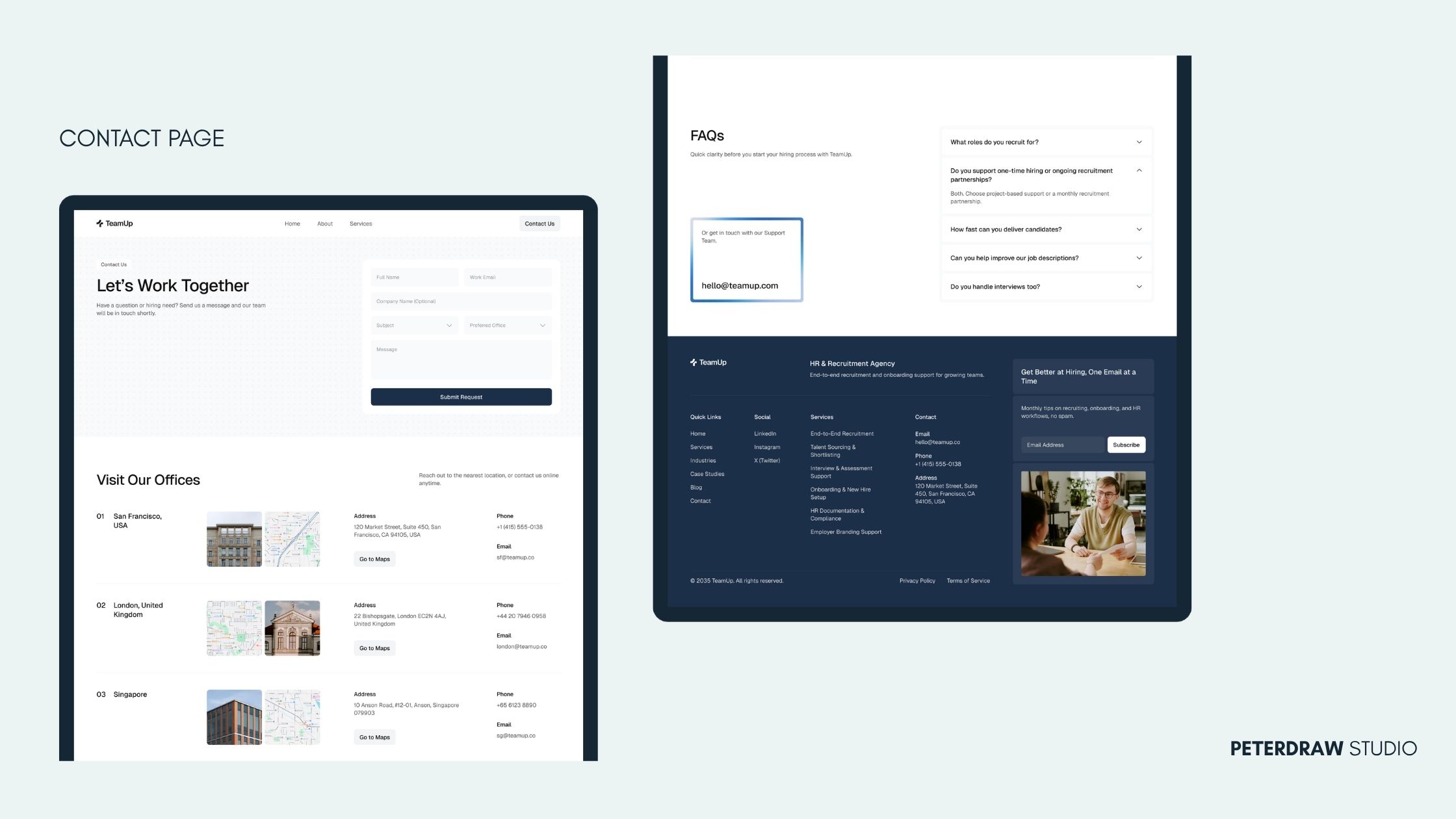
Include multiple ways to contact you: phone number, WhatsApp (very popular in Indonesia), email, and a simple contact form. Add your full address with a Google Maps embed if you have a physical location.
A good Contact page reduces friction and increases conversions. It also reassures visitors that you’re a real, accessible business.
Pro tip: Place your WhatsApp number prominently and make the contact form as short as possible (only Name, Phone/WhatsApp, and Message). The fewer fields, the higher the submission rate.
Regularly updated blog posts turn your website into an authority. The Blog page is now a must-have among essential website pages because it drives free traffic from Google.

Write helpful articles that answer your customers’ questions. For example, if you sell coffee, write “How to Choose the Best Arabica Beans in Indonesia.” Each post should include images, internal links to your services/products, and clear CTAs.
Over time, your blog becomes a magnet for organic search traffic and positions you as the go-to expert in your field.
Pro tip: Publish consistently (even once or twice a month) and optimize each post with relevant keywords. Add internal links from your blog posts to your Services or Products pages to keep visitors on your site longer.
When you focus on the right essential website pages, your site becomes more than just an online brochure. It becomes a 24/7 salesperson, a customer support helper, and a search engine magnet all in one.
Businesses that get these pages right typically see:
You don’t need dozens of pages to succeed. Start with these 8 core essential website pages and build from there. If you’re using WordPress, Shopify, or Wix, most of these pages can be created in minutes with drag-and-drop tools.
Your website should guide visitors from curiosity to confidence. Every page plays a role in building trust and encouraging action. When your content is clear and helpful, users feel more comfortable engaging. This is where good structure truly makes an impact.
Optimizing your essential website pages helps turn traffic into real results. Take time to review your site and improve weak areas. Add clear calls-to-action and keep your messaging focused. With the right approach, your website can support growth consistently over time.