
.jpg)
Web Design Trends 2026 Part 2: 6 Emerging Styles Shaping the Year
Stay updated with web design trends 2026, featuring TL;DR experience, 2.5D design, and more, plus useful implementation tips.
.jpg)


Pixel-perfect interfaces generated by artificial intelligence may look sleek and clean. However, they often feel generic and devoid of any human touch. A quiet rebellion is taking place in web design. This movement is called intentional imperfection. It embraces human warmth, asymmetry, and subtle flaws that make digital experiences feel more relatable and trustworthy.
As AI tools produce flawless layouts at lightning speed, many designers and brands are pushing back. They embrace controlled irregularities to create more authentic experiences. This approach balances AI's precision with the undeniable appeal of the human touch.
Intentional imperfection strategically incorporates elements that deviate from traditional design rules. These include perfect symmetry, sharp alignment, or uniform typography. The goal is creating authenticity and a stronger emotional connection. It draws inspiration from philosophies like wabi-sabi. This Japanese aesthetic celebrates impermanence, incompleteness, and beauty in natural flaws.

Unlike accidental mistakes or poor execution, intentional imperfection is carefully planned. It requires skill to execute effectively and with purpose. Examples include slightly off-kilter layouts or hand-drawn illustrations with visible wobbles. Textures that mimic real-world wear are also commonly used. The goal is signaling human involvement in the creative process. This matters when AI-generated content feels sterile and generic.
This trend gained momentum in late 2025 and into 2026 as users grew tired of overly polished digital spaces. Perfection, once a hallmark of professionalism, now sometimes signals artificiality. Brands that look too perfect can feel untrustworthy or mass-produced by algorithms.
The rise of AI design tools has flooded the web with similar-looking sites: clean grids, perfect hero images, and optimized conversions. While efficient, this uniformity creates fatigue. Intentional imperfection counters this by:
The impact extends beyond aesthetics. Websites embracing this approach often see higher time-on-page, better brand recall, and stronger emotional loyalty. Users crave connection in digital spaces, and imperfection delivers that by mirroring real life.
Adopting intentional imperfection transforms website design in meaningful ways. It moves away from cold, uniform perfection toward warmer and more human experiences. This approach delivers several key benefits:
Many brands are now embracing intentional imperfection to create more human and engaging websites. This approach brings warmth and personality that pure AI perfection often lacks. Here are some effective examples:
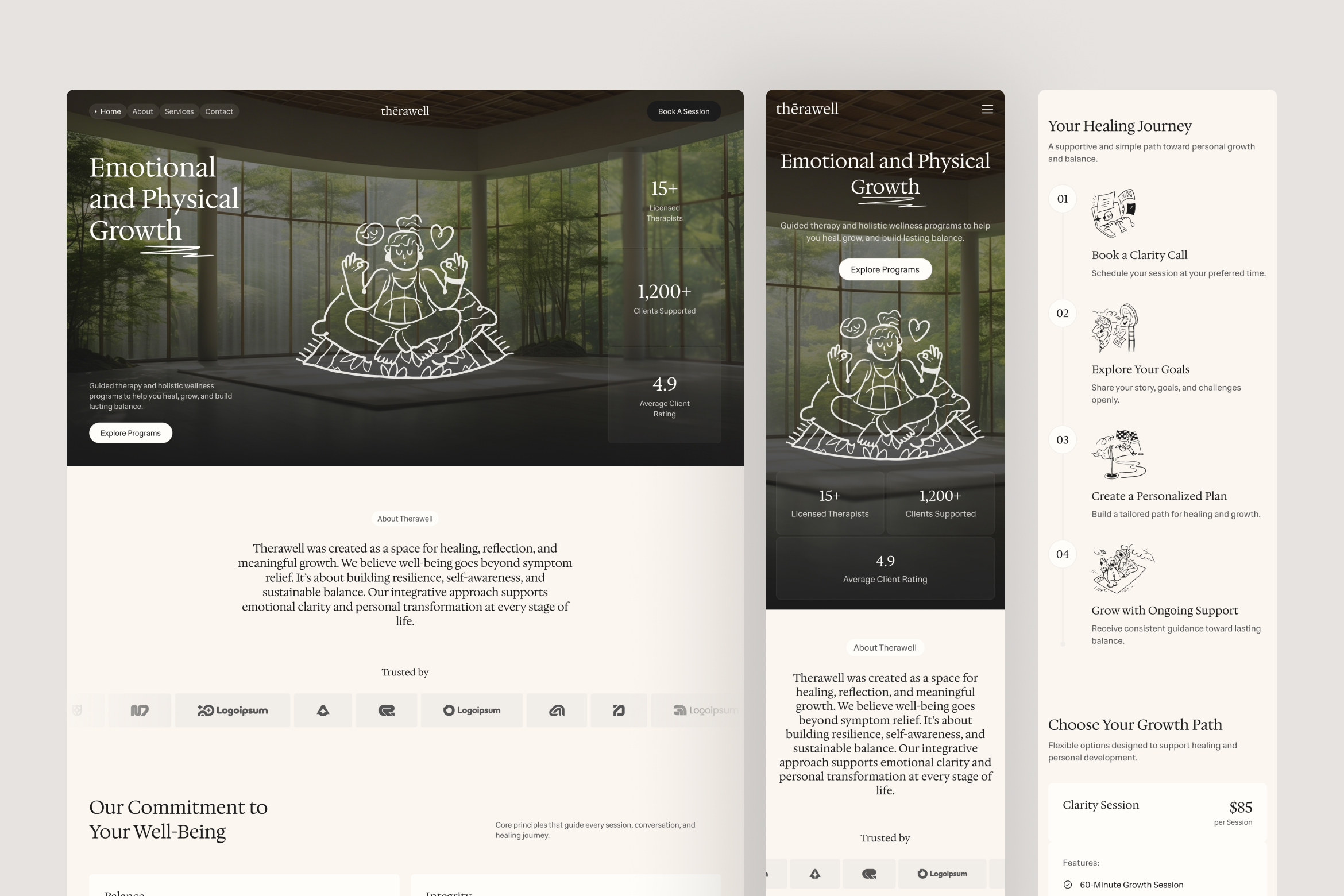
Anti-design or “brutalist”-inspired websites embrace raw structures and visible process marks. They adapt these elements thoughtfully to maintain modern usability and user experience.
Adopting intentional imperfection needs careful planning and balance. Start by auditing your current website design. Look for opportunities to add subtle human warmth.
Use these practical steps to begin:
This approach requires more skill than creating flawless designs. Always maintain balance to avoid looking unprofessional.
As AI tools become more powerful, intentional imperfection grows in importance. It helps brands stay genuinely human in a digital world. Designers will shift focus toward emotion, storytelling, and authenticity. The future of web design belongs to websites that have soul.