The Hidden Power of Website Design Impacts on SEO Performance
When search engines evolve faster than ever, the interplay between looks and logic becomes vital. Website design impacts go beyond beauty. They shape how search engines rank and reward. A well-structured, mobile-friendly, and fast website doesn’t just impress visitors. It strengthens visibility, engagement, and credibility in search results.
Modern SEO success depends on more than keywords. It thrives on experience. Each click, scroll, and second matters when design meets performance. Curious how colors, layout, and structure can boost rankings? Let’s explore how thoughtful design choices turn everyday websites into powerful SEO magnets that attract attention and drive results.
Why Website Design Impacts Matter More Than Ever
At its core, SEO is about delivering value to users, and website design is the vehicle for that delivery. With AI tools like Google’s Search Generative Experience (SGE) analyzing not just what you say but how you present it, a poor design can sabotage even the most keyword-rich pages.
Consider this: sites with intuitive layouts often see double the engagement. Users stay longer, explore deeper, and leave far less often. These behaviors improve dwell time and reduce bounce rates significantly. Search engines reward these signals. Thus, strong user interaction boosts visibility and ranking performance.
Here’s why design makes or breaks your SEO performance:
Structure drives discoverability: Organized navigation helps both users and crawlers find key content.
An SEO-friendly design isn’t about aesthetics alone. It is also about harmony between form and function. In an era where competition for top SERP spots is fierce, overlooking these design essentials is like building your digital presence on shifting sand.
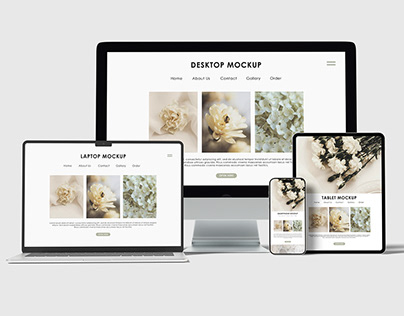
Responsive Design: The Mobile Imperative
No discussion of SEO success is complete without mobile responsiveness. As of today, mobile traffic drives nearly 70% of all searches. Google’s mobile-first indexing makes smartphone usability essential for visibility. Responsive design ensures flexible layouts that adapt smoothly to every device and screen size.
The website design impacts on SEO are immediate and lasting. Responsive sites achieve higher click-through rates from mobile users. Poor adaptability, however, reduces Core Web Vitals and trust signals. Designing for performance ensures faster loading, better engagement, and stronger search rankings overall.
Responsive design example for multi device | Source: Behance
To stay ahead, focus on fluid grids and flexible typography. Make buttons touch-friendly and navigation simple to follow. Use Google’s Mobile-Friendly Test to identify weak areas early. Responsive design isn’t a luxury anymore. It is the foundation of SEO-friendly, future-ready digital performance.
Speed: The Silent Killer of Rankings
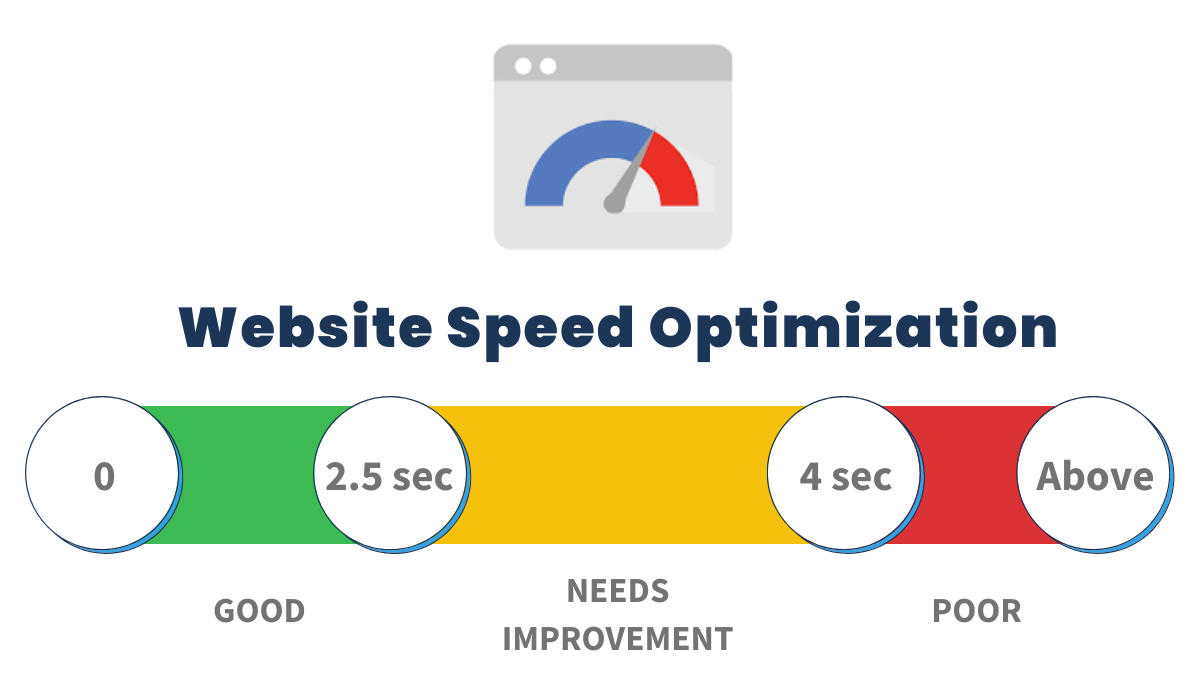
Among the most critical factors in SEO performance is page speed. Lately, attention spans average under eight seconds. A slow site destroys visibility, conversions, and trust instantly. Google’s Page Experience update now penalizes designs that value looks over performance efficiency.
Faster loading times lead to higher rankings, better engagement, and stronger conversions. | Source: Quattr
The website design impacts here are direct and measurable. A one-second delay cuts conversions by 7%. Slow load times push sites lower in rankings. Optimized pages load fast and maintain strong visibility across search engines.
Uncompressed images and heavy scripts are frequent performance killers. Minify CSS, compress visuals, and use CDNs for faster delivery. Sites with better speed enjoy higher engagement and stronger SEO. Remember, fast design feels premium, and premium sites earn user trust and loyalty.
Navigation and User Experience: Guiding the Journey
Intuitive navigation is where design and usability intersect. Confusing menus or hidden CTAs frustrate visitors instantly. This frustration causes “pogo-sticking,” where users bounce back to results pages. Such behavior tells Google your site fails to meet user intent and weakens engagement quality.
The website design impacts here are undeniable and far-reaching. Clear architecture supports users while guiding search crawlers efficiently. Semantic HTML tags help Google understand your structure better. Voice-friendly layouts and contextual menus also enhance indexation and featured snippet chances.
Strong navigation is core to user experience in web design. Effective white space highlights key sections and reduces visual stress. This approach lowers bounce rates and increases time-on-page metrics. Test navigation flow with heatmaps and refine interactions. It boosts satisfaction, engagement, and ranking performance altogether.
Visuals, Accessibility, and Emerging Trends
Visual elements shape how users and search engines see your site. Images, videos, and colors all influence engagement and ranking. High-resolution visuals without alt text lose SEO value. Optimize every image with descriptive, keyword-rich alt attributes to capture image search traffic effectively. To boost the results:
Use WCAG-compliant design: Include alt text, ARIA labels, and keyboard navigation.
Leverage AI personalization: Tailor layouts dynamically for individual user relevance.
Follow accessibility standards: Inclusive design can improve ranking by up to 15%.
Besides those points, emerging trends add both opportunity and risk in website design impacts. Dark mode, 3D elements, and animation enhance engagement when balanced carefully. Overuse can harm performance, but thoughtful use enriches experience. The best designs blend creativity and efficiency. They deliver beauty without sacrificing SEO or accessibility.
Avoiding Common Design Pitfalls
Even savvy designers falter. Common mistakes include skipping HTTPS, which triggers browser warnings and distrust. Overusing pop-ups also breaks the flow, causing users to leave quickly. Flashy animations can dazzle but delay interactivity, flunking Cumulative Layout Shift (CLS) tests.
The fix? Audit regularly with tools like Lighthouse. Prioritize SEO-friendly design from the wireframe stage. Collaborate with developers early to embed optimizations.
Harnessing Website Design Impacts for Lasting Success
The link between design and SEO has never been stronger. A thoughtful layout, fast performance, and seamless usability define digital success. Businesses that focus on clarity and engagement stand out. Winning online means building websites that truly serve user needs.
An SEO-friendly design builds trust, improves experience, and increases conversions naturally. As algorithms evolve, sites that prioritize accessibility and responsiveness rise higher. Every design choice shapes how people connect with your brand. Consistency, simplicity, and adaptability keep your online presence future-ready.
The website design impacts we see today are long-term game changers. They influence rankings, retention, and overall brand credibility. Investing in design audits ensures stronger visibility and lasting growth. Build smart, move fast, and your website will continue to lead with purpose.


.jpg)