

UI Testing Checklist: 7 Key Areas for Flawless Interfaces
Use this UI testing checklist to validate layouts, interactions, devices, browsers, and accessibility before launch.


Designers face pressure to deliver high-quality work faster than ever. Enter AI-assisted design systems, intelligent frameworks that combine traditional design principles with artificial intelligence. It helps in streamlining creation, ensure consistency, and boost creativity.
However, these systems don't replace human designers. They act as powerful collaborators, handling repetitive tasks while humans focus on strategy, emotion, and innovation. So, understanding AI-assisted design systems can transform how your team works.
A traditional design system is a collection of reusable components, style guides, design tokens (like colors, typography, and spacing), patterns, and documentation. It ensures visual and functional consistency across products, such as websites, apps, or marketing materials.
AI-assisted design systems take this further by integrating artificial intelligence. AI analyzes data, learns patterns, automates tasks, and generates suggestions. It can even create new elements while staying true to brand guidelines.
In simple terms:
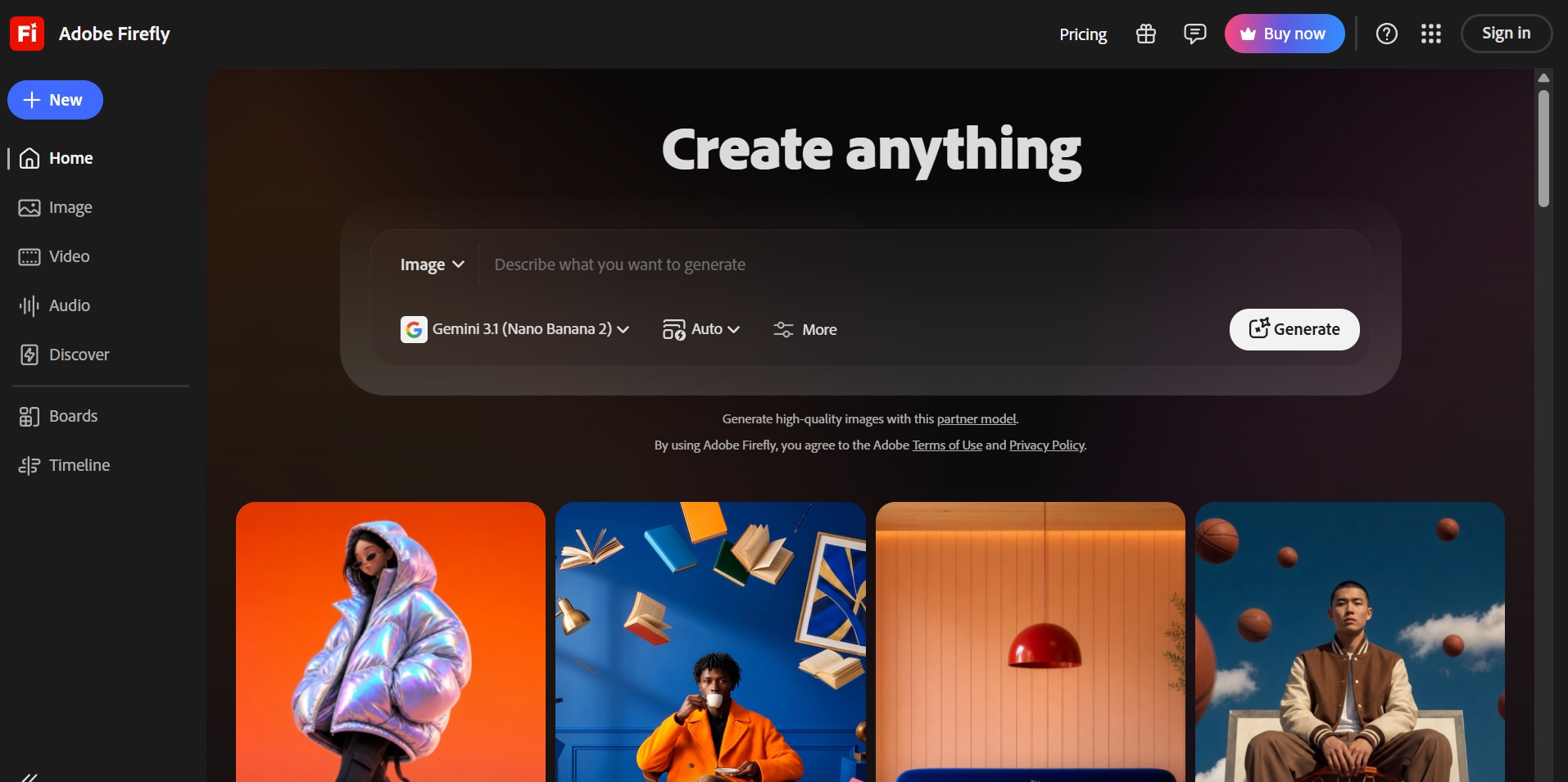
For example, instead of manually resizing components or tweaking colors across hundreds of screens, AI can do it instantly while maintaining consistency. Tools can now turn a text prompt like "Create a modern dashboard layout for a fintech app" into wireframes or full prototypes, like in Figma.
These systems become “AI-ready” when they include clear guidelines, structured components, and well-organized documentation. This allows AI models, including large language models, to understand and apply them more effectively.
AI needs structured machine-readable context. (Cristian Morales Achiardi on Medium)
Modern design systems are now built for both humans and AI. They encode team knowledge clearly so AI can produce consistent, on-brand results reliably. AI integration happens at multiple levels:
AI-assisted design systems bring powerful advantages to modern design teams. They boost speed, improve quality, and unlock greater creativity. Here are the most important benefits:
Several powerful tools now combine AI with design systems. They help teams create faster while keeping designs consistent and on-brand. These platforms turn ideas into real components quickly. Here are some of the most effective options available today.
As AI assistant, Figma AI makes it very convenient for existing users. It can generate full layouts, components, and variations from simple text prompts. It also suggests auto-layout improvements and checks design system compliance. This speeds up iteration while keeping everything consistent.
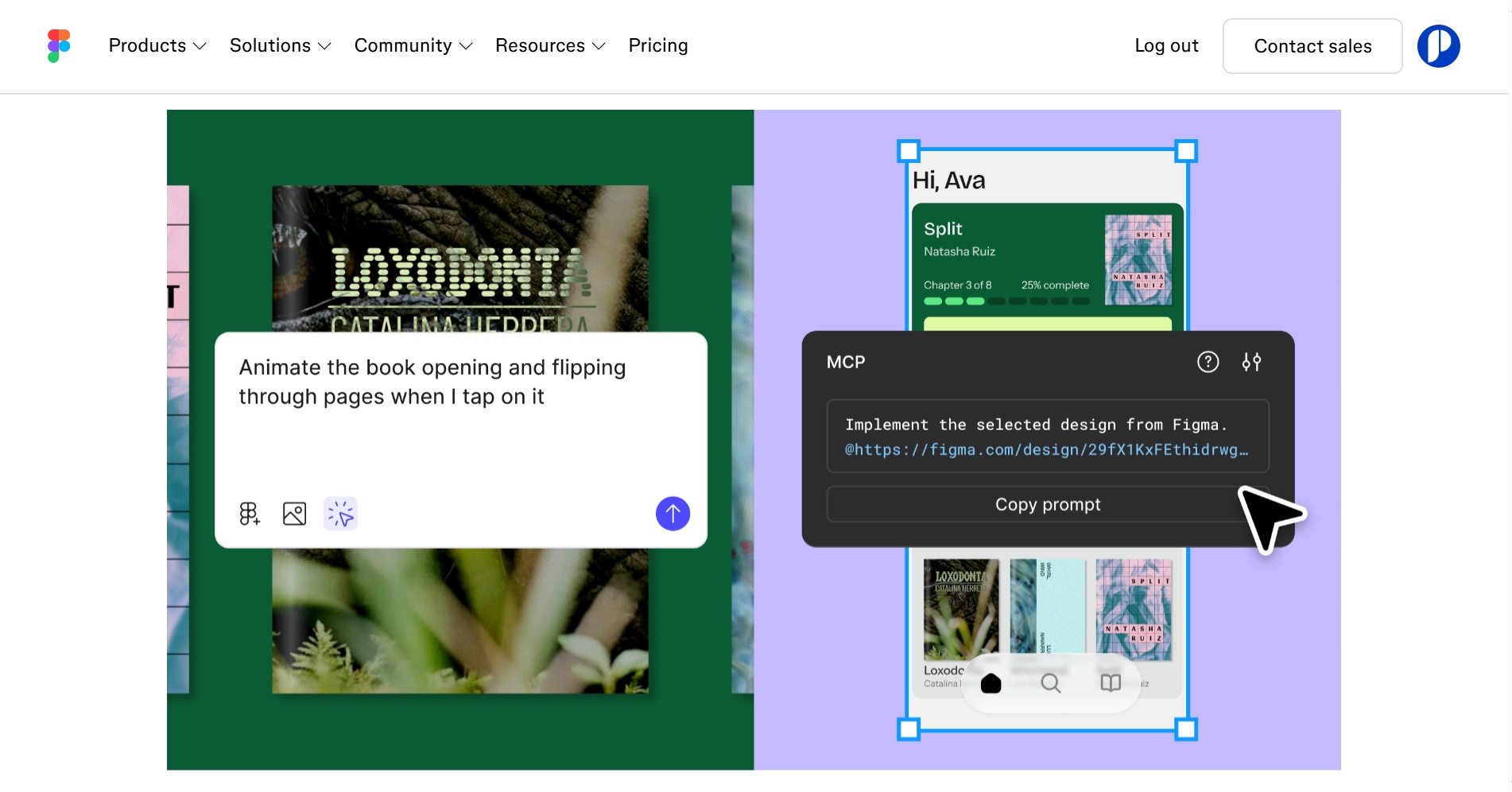
Adobe Firefly delivers high-quality, brand-safe generative AI inside Photoshop, Illustrator, and Express. It excels at creating and editing images, vectors, and visuals that match your brand. Its main advantages are professional output quality, strong brand safety, and seamless integration with Adobe tools.
Working with real coded components inside the design editor is easier using UXPin Merge AI. It turns text prompts into production-ready UI that follows your design system rules. This greatly reduces the design-to-code gap and speeds up prototyping with accurate, consistent results.
ChatGPT and Claude are versatile AI assistants for design system tasks. They help generate documentation, design tokens, code, and component ideas quickly. Their biggest strengths are flexibility, fast ideation, and support for both creative and technical design work.
Uizard and Relume specialize in turning prompts or sketches into complete designs and coded components. They are excellent for rapid prototyping and help bridge the gap between design and development teams effectively.
Successful adoption requires clear AI design guidelines within the system itself, including transparency, error handling, and trust principles. Despite their potential, AI-assisted design systems still come with several important challenges and considerations.
The future looks exciting for design. Expect hyper-personalized interfaces that adapt in real time. AI will generate complete design systems from brand inputs. Multi-agent systems will collaborate on complex projects. Deeper integration with spatial computing and mixed reality is also coming. New roles like prompt designers will emerge.
Design systems will evolve into living, intelligent entities. They will become conversational and adapt alongside teams and users. AI will not replace designers. Instead, it will amplify their impact. Smaller teams can achieve more and focus on strategy, emotion, and solving real human problems.
AI-assisted design systems represent a major shift toward smarter and more human-centered creation. Start by auditing your current design system and making it AI-ready. Experiment with tools, train your team on prompting, and set clear guidelines for quality and ethics. Those who master this collaboration will lead the next wave of innovation.
.jpg)