
.jpg)
Web Design Trends 2026 Part 2: 6 Emerging Styles Shaping the Year
Stay updated with web design trends 2026, featuring TL;DR experience, 2.5D design, and more, plus useful implementation tips.


Building a website used to be a professional task, typically handled by developers and designers. However, today, with the help of artificial intelligence (AI), anyone can create a professional website in just a few minutes. AI in web design is changing the game, making web creation faster, smarter, and easier for everyone. Let’s explore more about the AI that helps people with no coding or design background build a professional website.
As simple as it can be, AI in web design means using computer programs that can think and learn to help build websites. As AI develops, these smart systems understand what kind of website you need. They automatically suggest layouts, designs, images, and even text. Instead of starting with a blank page, with some basic info, like your business type or website goals, AI builds a working site for you.

This automation is not just about saving time. It also makes web design more accessible. Anyone who needs a website doesn’t need to know how to code or have an eye for design. Because the AI does the heavy lifting and provides a ready-made site that you can tweak as needed.
In many aspects, AI brings many benefits. So does web design. AI is especially beneficial for people using website templates or starting from scratch. It simplifies the experience, allowing users to focus more on their ideas rather than the technical details. And here are the benefits of AI in web design.
Several website builders are using AI to make web design easy for anyone. These platforms are designed to handle the technical side. So, users can focus on content and creativity. Here are some of the most popular tools used for AI in website design:

Wix offers an AI feature called Wix ADI (Artificial Design Intelligence). It asks you a few simple questions, like what your site is about or what features you want, and then creates a complete website with design, text, and images. Their newer AI Builder (launched in 2023) makes this process even smoother. Wix AI is perfect for beginners and small businesses who want a stylish website without the hassle.
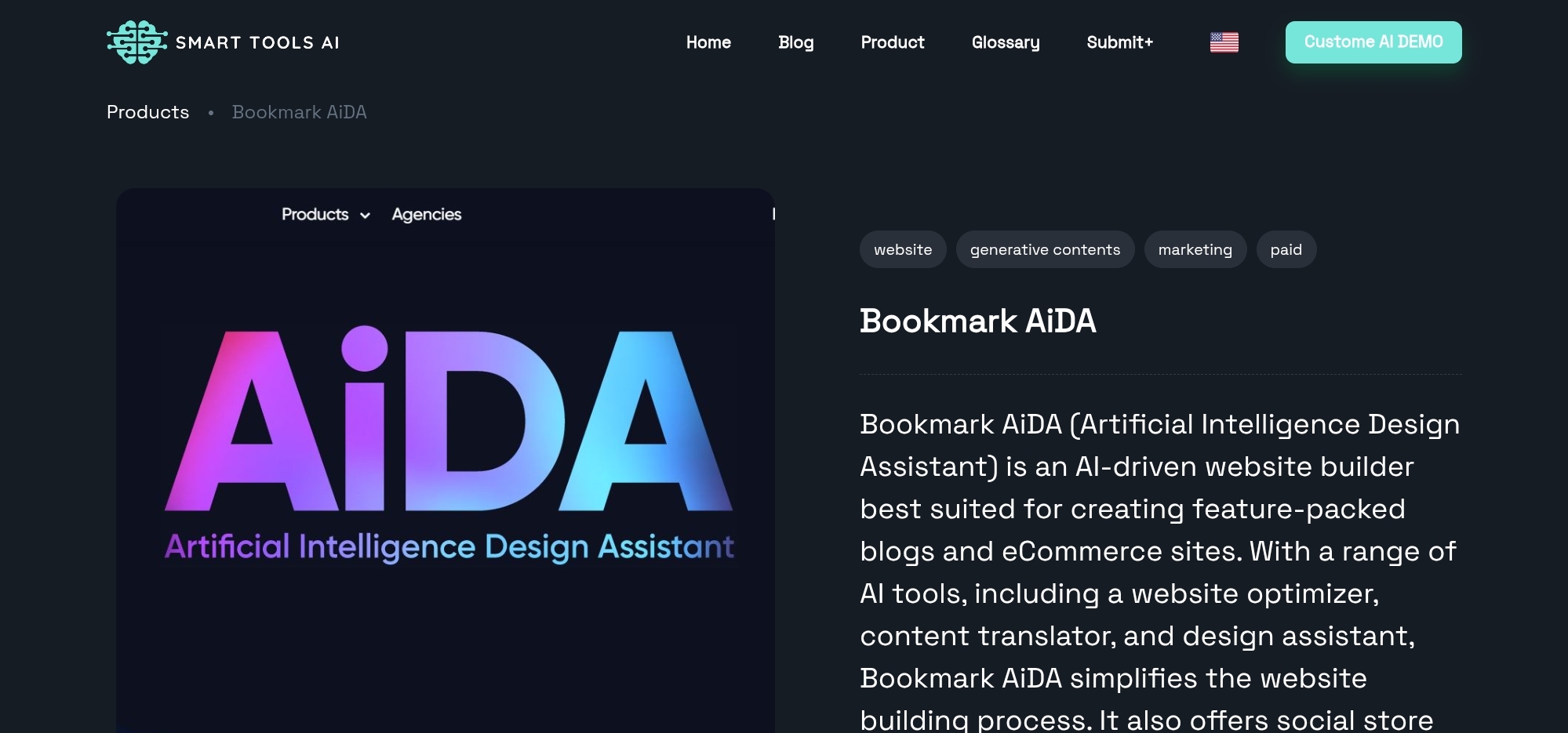
AiDA (Artificial Intelligence Design Assistant) from Bookmark is another smart website builder. It creates a custom site in just two minutes based on your answers to a short questionnaire. Everything, from the layout to features like blogs or contact forms, is automatically added. Once the site is built, you can customize it further with simple drag-and-drop tools.

Squarespace recently introduced Blueprint AI, which combines design know-how with AI automation. Just give it some details about your brand, and it builds a professional website with matching fonts, colors, and content sections. It’s especially helpful for people who want a beautifully designed website without starting from scratch.
So while Framer is starting to blur the line (thanks to its new AI features), it’s not yet as automation-heavy as Wix ADI or Bookmark AiDA. When discussing AI in web design, it's more accurate to classify Framer and Webflow as "AI-enhanced design platforms" rather than fully automated AI builders.
AI does more than just build a site. It understands user preferences and applies best practices drawn from thousands of successful designs. It also helps improve the visual and functional parts of your website. Here’s a more detailed explanation.
AI tools suggest layouts that work best for the user’s business type. For example, a photography website might focus on large image galleries, while a restaurant website might highlight menus and location info. It saves time trying to figure out what goes where.
Choosing colors and fonts can be tricky. AI in web design helps by recommending styles that match the brand or logo. Some tools even generate color schemes based on images users upload.
Not sure what to say on your homepage or About Us section? AI can write it for you. Many builders include AI copywriting tools that generate text based on a few keywords or short prompts.
Some AI features adjust the website to each visitor’s behavior. For example, returning customers might see different content than new visitors. This kind of smart personalization improves engagement and makes your site feel more tailored.
AI also helps ensure a website is accessible to everyone, including users with disabilities. It can add image descriptions, adjust contrast, and make sure buttons and text are easy to read. It also helps compress images and optimize loading times.
While AI tools are impressive, they aren't without their limits. AI often relies on popular patterns that can feel repetitive. Without customization, your website may look like many others online. To stand out, you’ll still need to add your touch. AI builders may not support very specific or advanced features. They offer great starting points but lack deep flexibility.
AI-generated content should always be reviewed and refined by humans. Your voice and message still matter more than speed or automation. AI in web design is a powerful assistant, not a total solution. It works best when guided by your vision and creativity. With the right balance, AI in web design can empower anyone. Use it smartly, and it becomes a true partner in creation.