
.jpg)
Web Design Trends 2026 Part 2: 6 Emerging Styles Shaping the Year
Stay updated with web design trends 2026, featuring TL;DR experience, 2.5D design, and more, plus useful implementation tips.
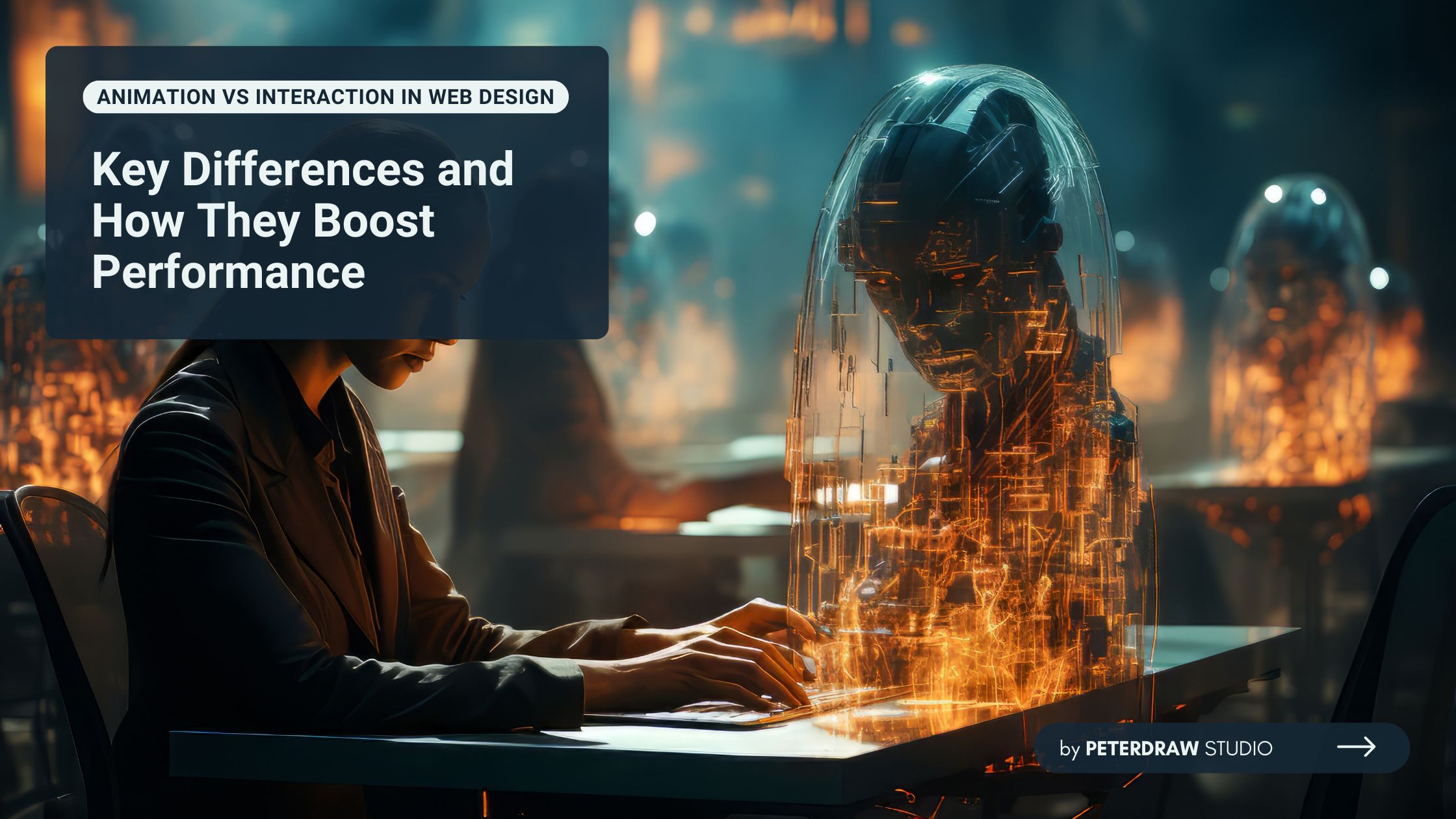


Crafting a seamless and engaging user experience is essential for retaining visitors and boosting conversions. Two crucial aspects that influence this experience are animation vs interaction. While they often complement one another, it’s important to understand how they differ. Doing so enables designers to use each element more intentionally, resulting in better engagement and improved site performance.
Animations typically involve visual transitions, while interactions are driven by user input or behavior. Both contribute to website usability, accessibility, and emotional impact. When applied correctly, they enhance SEO, reduce bounce rates, and guide users more efficiently. Knowing when to use each will elevate the overall quality of your website design. Here we’ll learn more about those two elements.
Animation in web design refers to the addition of motion or effects to website elements. Think of a button that slightly grows when you hover over it or a loading spinner that rotates while content loads. Animations are about bringing static elements to life, making your website feel dynamic and polished.
Key features of animation including:
For example, a subtle fade effect when a page loads can make the experience feel more natural, reducing the jarring effect of sudden content changes. According to the Nielsen Norman Group, animations should be brief (200-500ms) to avoid slowing down the user experience.
Interaction design, on the other hand, focuses on how users engage with your website. It’s about creating intuitive ways for users to navigate, click, scroll, or input data. Interaction design principles ensure that every action a user takes, like clicking a button or filling out a form, feels logical and responsive.
Key features of interaction including:
For instance, when a user clicks a “Submit” button and sees a confirmation message, that’s interaction design at work, ensuring the user knows their action was successful.
When comparing animation vs interaction, the distinction lies in their purpose and scope. Both play vital roles in shaping the user experience, but they serve different functions within the design process.

To illustrate, imagine a user toggling a switch to enable dark mode. The toggle’s sliding motion is the animation, but the interaction is the entire process of the user clicking the switch and the site responding by changing its theme.
When used thoughtfully, animation in web design can boost both user experience and site performance. Here’s how:
To incorporate the animation that improves website performance, follow these tips:
Interaction design principles are crucial for making a website intuitive and efficient, directly impacting performance metrics like user retention and conversion rates. Here’s how interactions contribute:
Interaction contribution will be more optimal by following tips:
The magic happens when you combine animation vs interaction strategically. Animations enhance interactions by making them more engaging and intuitive. For example:
When animation and interaction work together, the experience feels effortless. And here are some best practice to combinethem:
Mastering the balance between motion and usability can significantly elevate your web design. The key is to ensure every animated element serves a clear purpose and supports the overall user journey. Subtle, well-timed animations paired with intuitive interactions can make your site feel modern, responsive, and trustworthy while keeping visitors engaged from start to finish.
When balancing animation vs interaction, avoid common pitfalls that can harm performance and usability. Overusing animation can overwhelm users and slow load times, while neglecting interaction feedback leaves them confused about their actions. Likewise, ignoring performance by using heavy effects can damage SEO and frustrate visitors. Focus on purposeful, efficient design to create a seamless and impactful experience.