
.jpg)
Web Design Trends 2026 Part 2: 6 Emerging Styles Shaping the Year
Stay updated with web design trends 2026, featuring TL;DR experience, 2.5D design, and more, plus useful implementation tips.
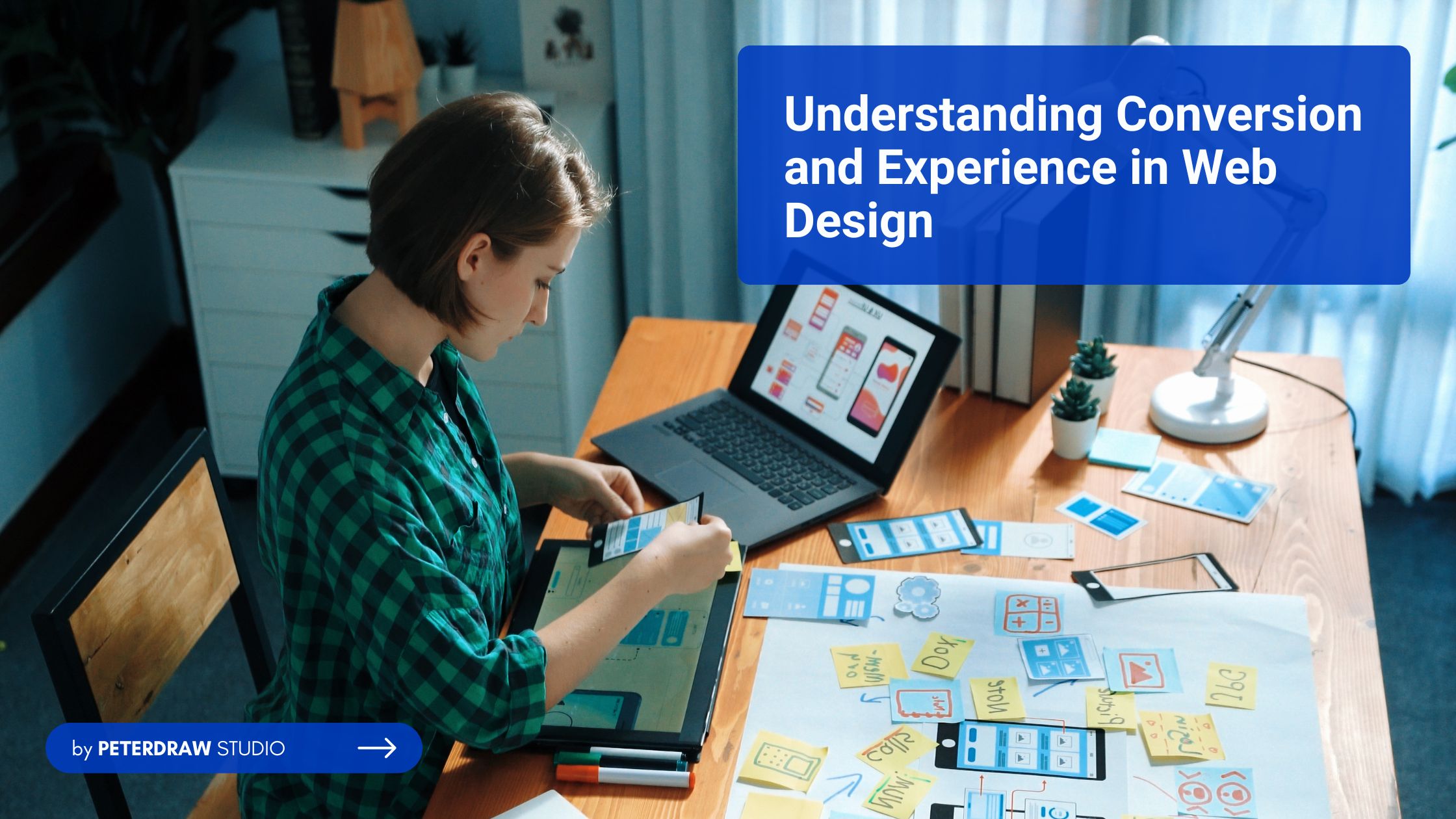


In the world of web design, two terms often stand out: conversion and experience. These terms might sound technical, but they’re simple concepts that can make or break a website’s success. Understanding how they work together can help you shape a site that not only looks good but also performs well. It's about finding the balance between design that delights and design that drives action.
This article provides a closer examination of what these terms mean in practice. You'll discover how thoughtful design choices can influence both user satisfaction and business outcomes. Whether you're running a website or simply exploring the topic, there's insight here to help you create experiences that matter.
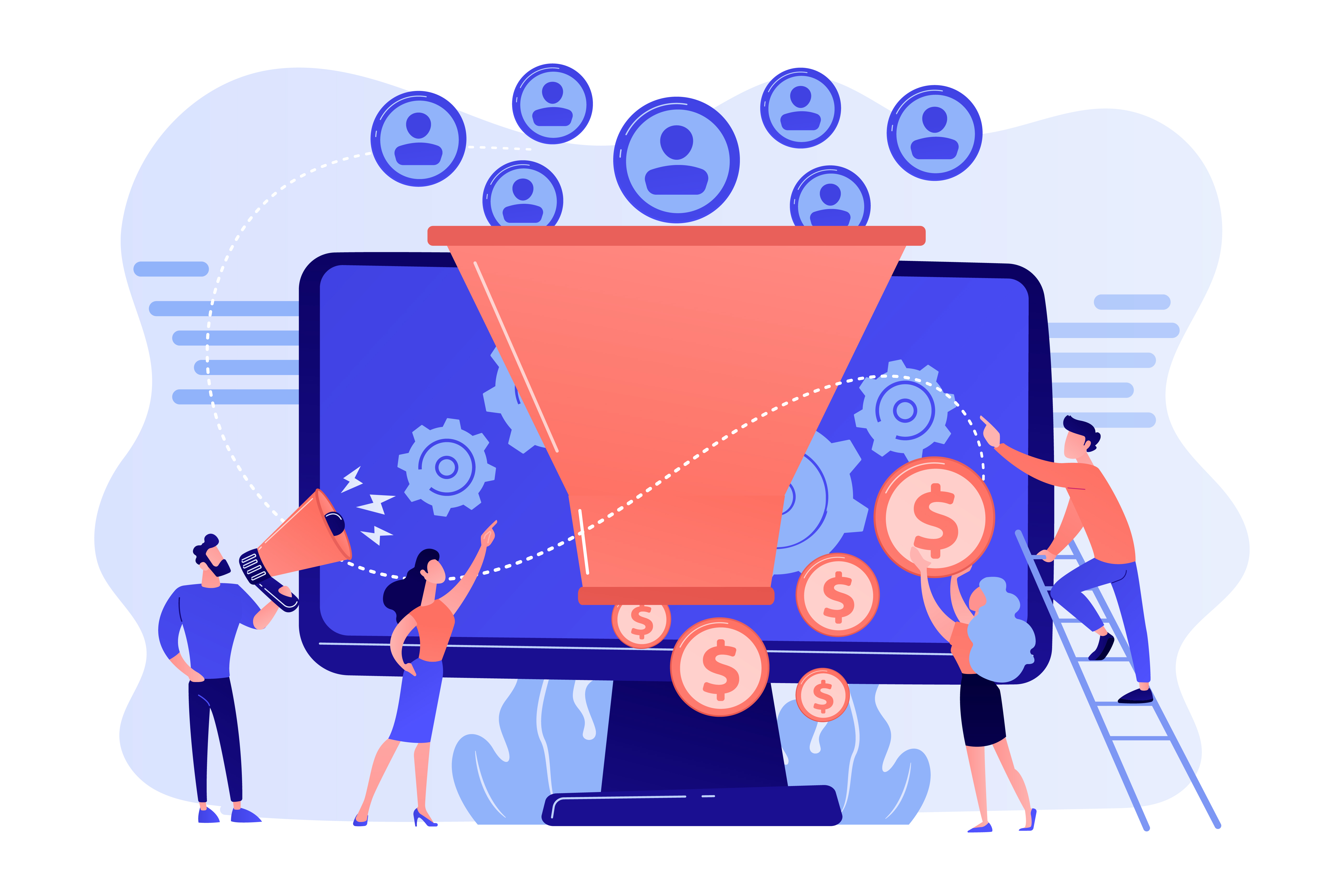
Conversion occurs when a visitor to your website takes the desired action. The action could be buying a product, signing up for a newsletter, filling out a contact form, or downloading a free resource. Conversion rate is the percentage of visitors who complete these actions. For example, if 100 people visit your site and 10 of them sign up for your newsletter, your conversion rate is 10%.
Conversions are essential for websites aiming to sell, attract leads, or grow audiences. They show how well your site turns visitors into customers, subscribers, or supporters. A strong conversion rate means people are taking the actions you’ve designed for them. It often leads to increased revenue, engagement, and long-term success for your project.
User experience, or UX, is all about how a person feels when they interact with your website. It covers everything from how easy it is to navigate, how quickly pages load, whether the design is visually appealing, to whether the content is clear and useful. A good UX makes users feel comfortable, confident, and satisfied. A poor UX, on the other hand, can frustrate users, making them leave your site quickly.
A strong UX isn’t just nice to have. It directly impacts your success. Studies show great UX can boost conversions by up to 400% (Baymard). Meanwhile, 40% of users abandon slow-loading sites. Clear navigation, fast performance, and mobile-friendly design all play a key role.
The connection between conversion and experience in web design is simple. A better user experience leads to higher conversion rates. When your website is easy to use, trustworthy, and engaging, visitors are more likely to stick around, explore, and take the actions you want. On the flip side, a confusing or slow website can drive users away before they even consider converting.
As mentioned, smooth navigation to clear calls-to-action plays a key role in influencing user behavior. That’s why combining UX and conversion strategies is key to a successful website. Good design guides users naturally toward goals without feeling forced or salesy. Focusing on both elements ensures your site not only looks good but also performs well.
Let’s explore some specific ways that UX design can boost conversions, with real-world examples to show how they work. From layout choices to button placements, small tweaks can make a big difference. Even minor improvements in user flow can lead to measurable business growth.
Reciprocation is a principle where giving something valuable to users makes them more likely to give something back, like signing up or making a purchase. For example, offering a free trial or a helpful resource can encourage users to take the next step. By providing value upfront, they built trust and encouraged conversions.

Commitment is about getting users to take small actions that make them more likely to continue. Websites can use progress indicators or goal-tracking features to keep users engaged. These small commitments make users feel invested, boosting conversions. Some will maintain consistency, and others will affect daily usage and better user retention.
Social proof shows users that others have had a positive experience with your product or service. It will make them more likely to trust you. This can be done through customer reviews, ratings, or testimonials. It can also include user-generated content, case studies, or client logos. Seeing real experiences helps reduce hesitation and build credibility instantly.

Scarcity makes users feel that an opportunity is limited, prompting them to act quickly. Limited-time offers, low-stock notices, or countdown timers can trigger faster decisions. This psychological trigger taps into the fear of missing out. By creating a sense of urgency, scarcity can significantly increase conversion rates.
Some of those methods can be combined to achieve maximum impact of conversion and experience in web design. However, in some cases, only one or two methods can be implemented simultaneously, depending on the business model and industry. Therefore, it’s important to prioritize the methods that align best with your goals. Flexibility and thoughtful planning ensure your UX and conversion efforts remain effective and scalable.
Good UX doesn’t have to be complicated or expensive to implement. With a few thoughtful changes, you can create a more enjoyable experience that encourages users to convert. Here are some practical, beginner-friendly tips to improve your website’s UX and increase conversions:
There’s no perfect formula for success, but the right design mindset goes a long way. Start small, test often, and adjust based on how real users interact. Over time, even minor tweaks can unlock major gains. Every website has different needs—what matters is staying user-focused and willing to adapt.
The most powerful websites are built where business goals and user needs intersect. When you design with care and purpose, people respond with trust and action. By aligning strategy with usability, you’ll maximize both conversion and experience in web design and create results that truly last.