
.jpg)
Web Design Trends 2026 Part 2: 6 Emerging Styles Shaping the Year
Stay updated with web design trends 2026, featuring TL;DR experience, 2.5D design, and more, plus useful implementation tips.


As one of the important sections on a website, the navigation bar plays a crucial role. It guides visitors, helps them find information quickly, and shapes their overall experience. Traditional top navigation bars with "Home," "About," and "Contact" links still work for many sites. However, they're no longer the only or most exciting option. Enter experimental navigation: creative, unconventional ways to help users move through a website that turn browsing into an engaging journey.
These navigations break free from ordinary menus, sidebars, and hamburger icons. It transforms navigation into an intuitive, fun, and memorable part of the user experience that perfectly matches your brand’s personality.
Experimental navigation refers to innovative design patterns that go beyond conventional menu structures. Rather than treating navigation as a simple functional element, it becomes an integrated part of the storytelling and overall experience. The experiments include many possibilities, and common examples are:
These approaches often use smooth animations, micro-interactions, and modern web technologies like WebGL or Three.js to create fluid, delightful experiences.
User expectations have evolved rapidly in recent years. Simple interfaces no longer impress modern visitors. The experimental one meets this new demand effectively. While traditional navigation is safe and familiar, it can also feel generic. Experimental navigation delivers clear advantages:
Experimental navigation succeeds best when it aligns perfectly with both the brand identity and its target audience. These inspiring websites clearly demonstrate that principle in action.
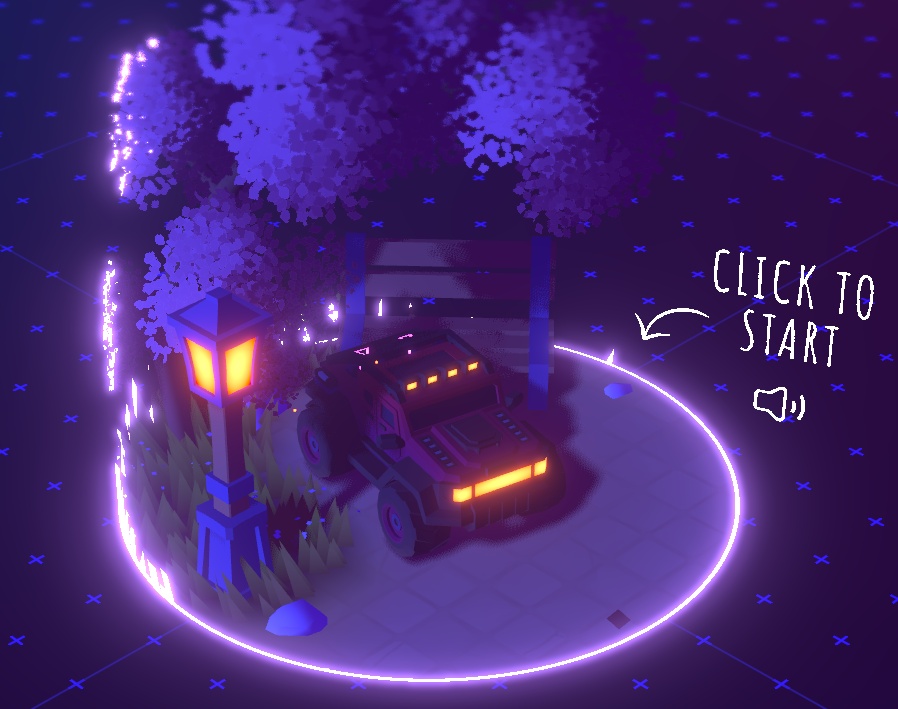
Bruno Simon built a fully interactive 3D world. Visitors control a small red car and drive around freely. Different projects and details appear as they explore the environment. Traditional menus are almost nonexistent. Yet navigation feels natural, intuitive, and highly immersive. This creative approach perfectly reflects his personality as a developer. It turns portfolio browsing into a fun adventure.
The Canal Street Market website uses clever unfolding panels. Pages connect smoothly like physical spaces in real life. Users enjoy a continuous journey without harsh page jumps. This design creates a strong sense of flow and continuity. Navigation feels almost tactile and natural. Visitors become active participants instead of passive viewers. It perfectly matches the vibrant market atmosphere.
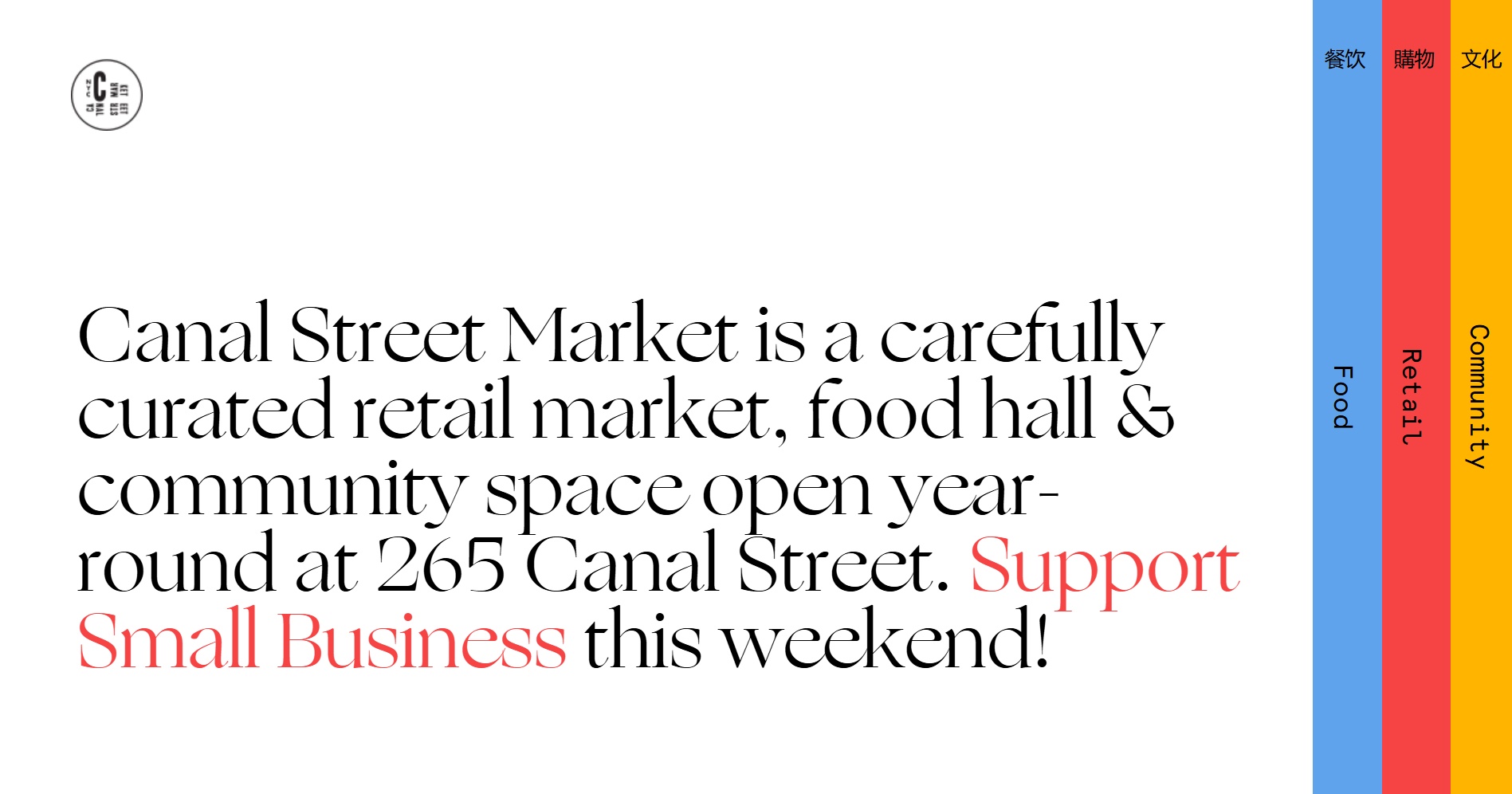
Visit Canal Street Market Demo
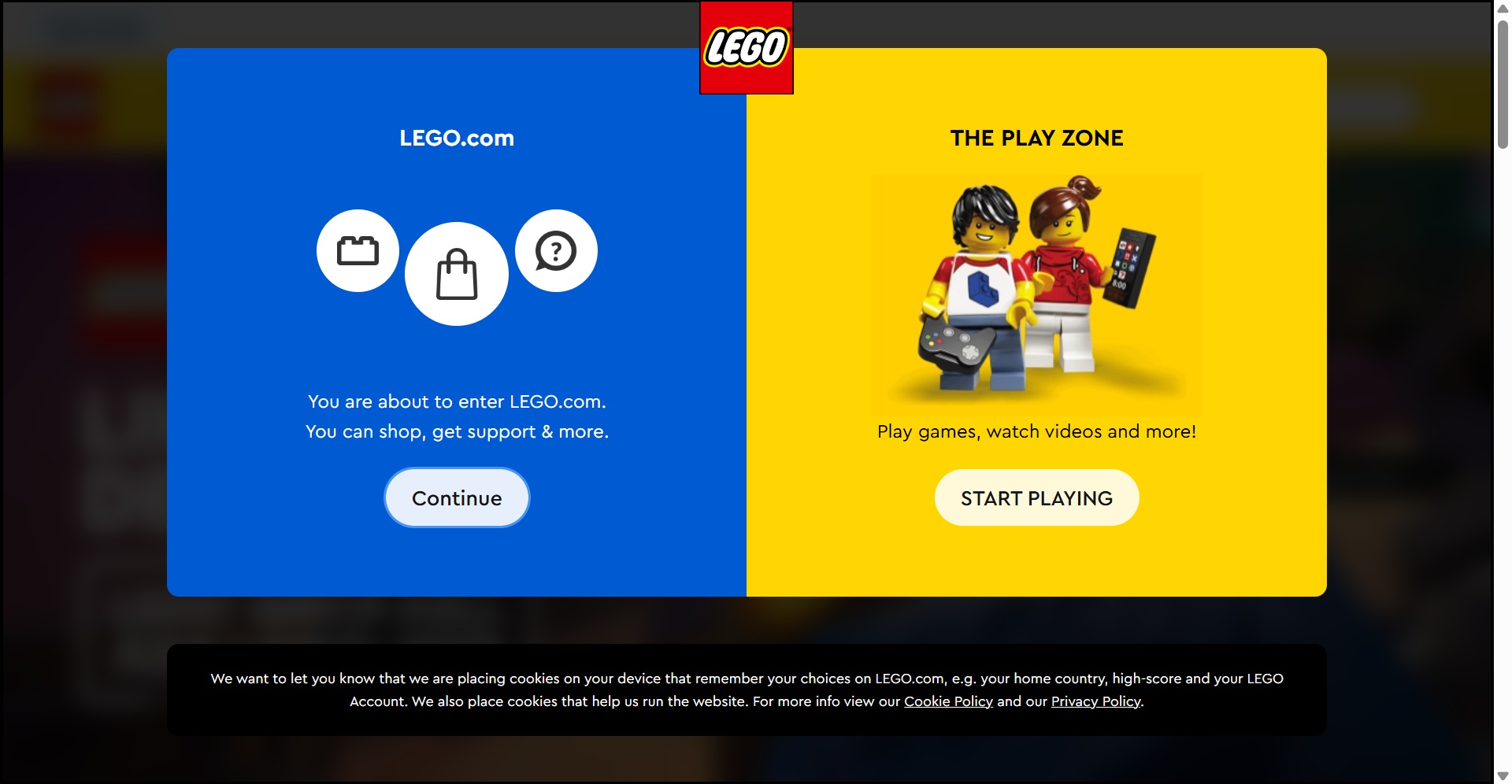
LEGO websites deliver playful and gamified navigation. Users choose exciting themed zones that match their interests. They unlock stories, games, and challenges along the way. The interface feels fun and interactive for all ages. Navigation blends seamlessly with the joyful LEGO brand. This approach keeps children and adults engaged much longer. It turns exploration into a delightful play experience.
While those examples look impressive, it is important to understand both sides of experimental navigation. This approach offers exciting benefits that can transform a website’s performance. At the same time, it comes with certain challenges that must be handled carefully. The benefits include:
However, innovation always comes with responsibility. Before adopting experimental navigation, it is wise to consider the potential drawbacks and how to address them effectively. Here’s the challenges to consider:
As exciting and fun as it seems, experimental navigation is not suitable for every website. It works best for creative agencies, portfolios, fashion and lifestyle brands, product launches, and entertainment sites. These brands benefit from unique interfaces that reflect their innovative spirit. They can turn simple browsing into memorable experiences that match their identity.
However, more functional websites should be careful. Corporate intranets, banking platforms, and news portals may prefer classic navigation patterns. Users in these cases often need speed, clarity, and efficiency. Always ask yourself: Does it support your goals? Will it help users achieve what they need more enjoyably? Choose wisely based on your audience and objectives.
Experimental navigation offers a fresh and exciting way to guide website visitors. It turns ordinary browsing into delightful journeys that reflect your brand personality. When done right, it boosts engagement, strengthens emotional connections, and helps your site stand out from competitors.
To succeed with experimental navigation, always follow these smart implementation practices:
The future belongs to websites that make navigation enjoyable rather than just functional. Study successful examples, prototype your ideas, and gather continuous feedback. Balance creativity with usability wisely. By embracing experimental navigation thoughtfully, you can create memorable digital experiences that users will love to explore and return to.