
.jpg)
Web Design Trends 2026 Part 2: 6 Emerging Styles Shaping the Year
Stay updated with web design trends 2026, featuring TL;DR experience, 2.5D design, and more, plus useful implementation tips.
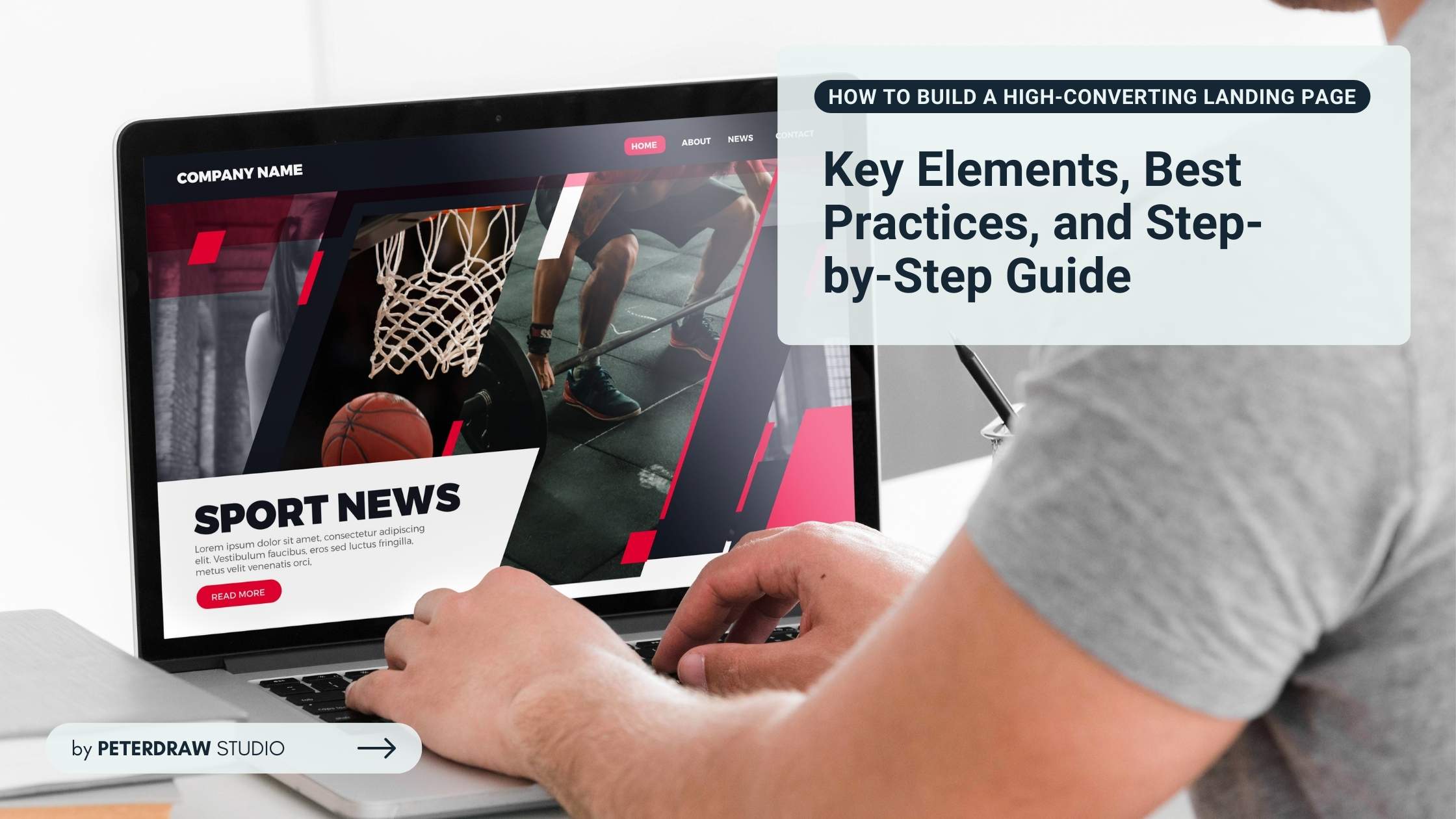


A strong digital presence requires a high-converting landing page to capture leads. Whether through paid ads, email outreach, or organic search, this page ensures visitors convert. It maximizes ROI, builds trust, and guides users toward specific goals. Every optimized element works together to deliver measurable and consistent results.
Success comes from focus and simplicity rather than flashy designs. A clear structure directs attention, highlights value, and minimizes user distractions. Each section serves a purpose, moving visitors toward a single action. Let’s explore together proven practices and strategies to craft pages that perform effectively.
A landing page is built with one clear purpose: driving visitors toward a specific desired action. This may include signing up for a newsletter, downloading a resource, or completing a purchase. Unlike a homepage, which often provides broad information, a landing page eliminates clutter. By focusing on one offer, it reduces bounce rates and boosts engagement effectively.
Strong landing pages include compelling headlines, engaging visuals, and a clear call-to-action. Each element works together to guide visitors smoothly toward the intended goal. According to WordStream, the average conversion rate ranges between 2–5%, while top-performing pages reach 10% or more. These statistics highlight the importance of careful design and clear communication.
To maximize results, marketers often apply landing page optimization strategies that address audience needs. This approach ensures the content matches visitor expectations and highlights direct benefits. By speaking to pain points, removing distractions, and reinforcing trust, a landing page can increase engagement and conversions. Implementing these proven practices helps brands build stronger connections and long-term growth.
Creating a high-converting landing page requires focusing on elements that influence user behavior. Each component should work together to capture attention, build trust, and encourage action. With the right structure and clarity, you can turn casual visitors into loyal leads or paying customers effectively.
Design plays a pivotal role in the success of a high-converting landing page. A clear structure ensures visitors know exactly where to focus. Follow these best practices to create an intuitive and persuasive layout.
Align your landing page with the ad or source that brought visitors in. Mismatched content creates confusion and leads to higher bounce rates. Use dynamic text replacement to customize headlines and maintain message consistency across campaigns.
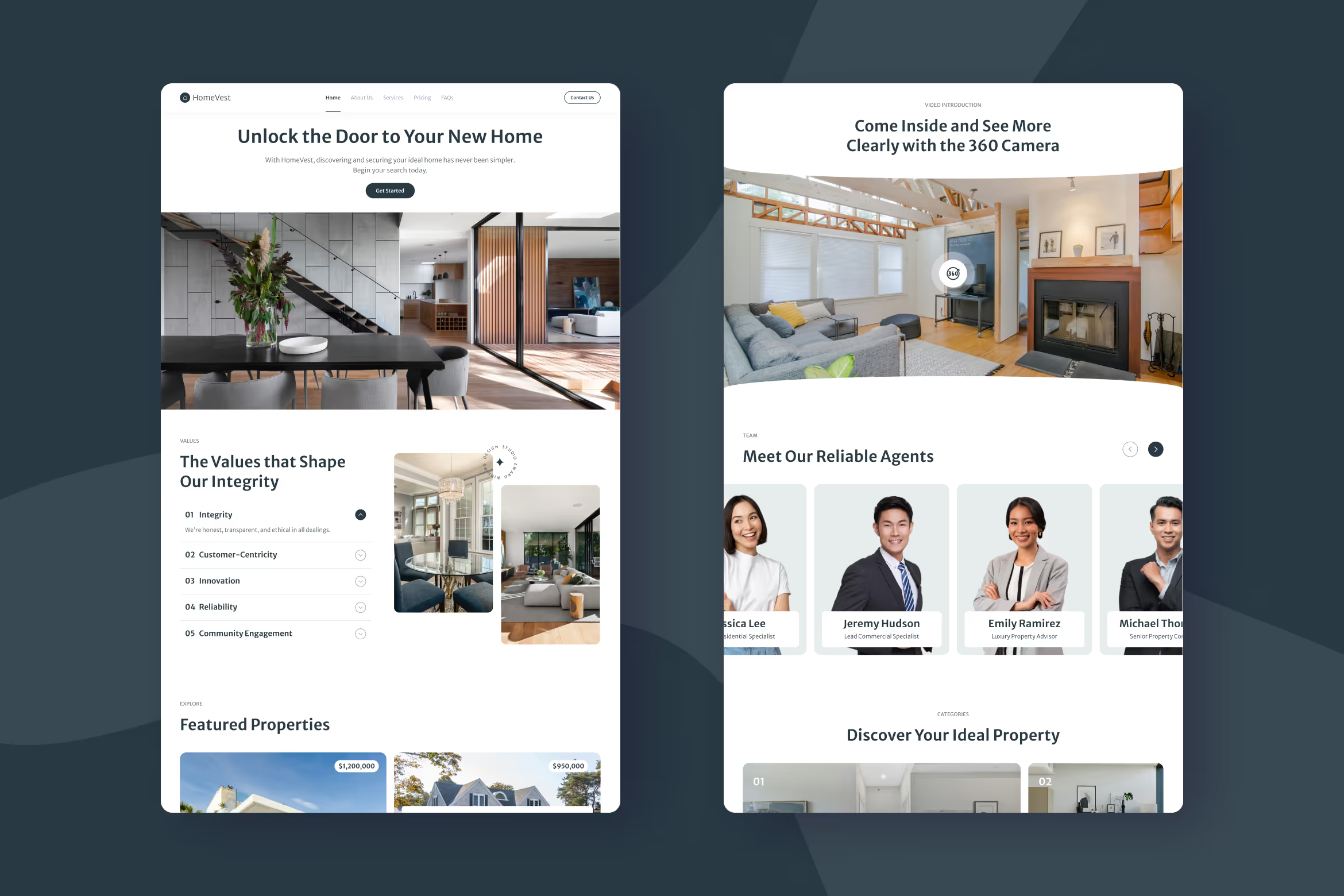
Remove unnecessary navigation menus, sidebars, or external links that pull focus away from your goal. A clean, single-path layout encourages visitors to take the intended action. This “tunnel vision” approach minimizes distractions and increases overall conversion effectiveness.
Ensure your page loads quickly, ideally within three seconds or less. Studies show slow-loading pages drive away 70% of potential customers. With 83% of traffic coming from mobile, responsive design is critical for delivering seamless user experiences.
Guide visitors’ attention toward your CTA using visual cues like arrows, images, or animations. These subtle design techniques influence eye movement naturally. By pointing focus where it matters most, you increase the likelihood of meaningful conversions.
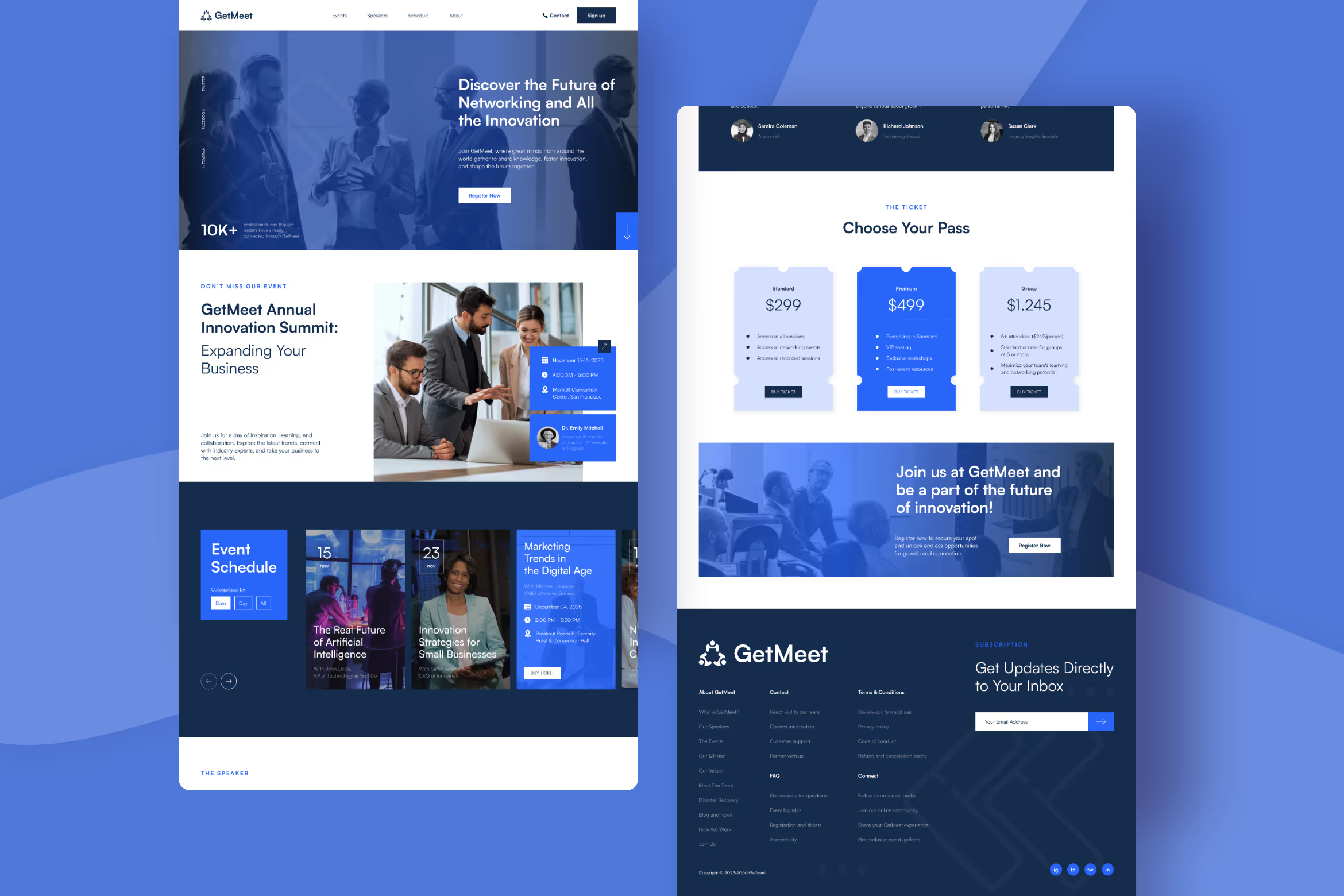
Write concise, persuasive copy that addresses visitor pain points directly. Use subheadings, bullet points, and short paragraphs to improve scannability. As Hannah Harris explains, good copy balances clarity and persuasion, ensuring every word encourages trust and action effectively.
Building a high-converting landing page requires a structured, intentional approach. Each step should focus on clarity, usability, and aligning with visitor expectations. Follow these steps to transform simple ideas into a persuasive design that drives consistent conversions.
Even with the best intentions, pitfalls can sabotage your efforts. Avoid overloading the page with too much information, which can overwhelm visitors. Don't neglect A/B testing, assuming your first version is perfect often leads to missed opportunities. Also, skipping social proof or a privacy policy can erode trust, especially in data-sensitive industries.
To maximize visibility, incorporate SEO best practices. Use your main keyword, naturally in the title, headlines, and body. Optimize meta descriptions, alt text for images, and ensure fast load times for better search rankings. For campaign-specific pages, focus on paid traffic, but for evergreen content, aim for organic reach through keyword research.
Creating a high-converting landing page isn't rocket science. It's about intentional design, clear messaging, and continuous optimization. By focusing on user needs, removing friction, and testing rigorously, you can transform your landing pages into powerful conversion machines. Remember, as the digital space evolves, treat your pages as living assets that improve with data and feedback. Implement these strategies, and watch your conversion rates soar.