
.jpg)
Web Design Trends 2026 Part 2: 6 Emerging Styles Shaping the Year
Stay updated with web design trends 2026, featuring TL;DR experience, 2.5D design, and more, plus useful implementation tips.


To keep branding away from boring, brands need more than just a nice logo or pretty colors to stand out. Especially, people scroll quickly through social media, websites, and ads. So, grabbing attention in seconds is key. This is where motion design in branding comes in.
Simply put, motion design (also called motion graphics) is the art of adding movement to static designs. It’s like making a logo animate, text bounce, or icons smoothly transition. When applied to branding, it turns a regular brand identity into something dynamic, engaging, and memorable.
Think of it this way: A static logo is like a photo of a person. Motion design is like seeing that person wave, smile, or dance. It shows personality and makes them more relatable. Brands use motion design to express their values, tell stories, and connect emotionally with audiences.
Motion design combines graphic design (things like shapes, colors, typography, and illustrations) with animation principles. It brings those elements to life by adding time and movement. Unlike full cartoons that tell long stories with characters, motion design focuses on shorter, purposeful movements to communicate ideas quickly. The idea is simple: make graphics move in a way that feels natural and meaningful.
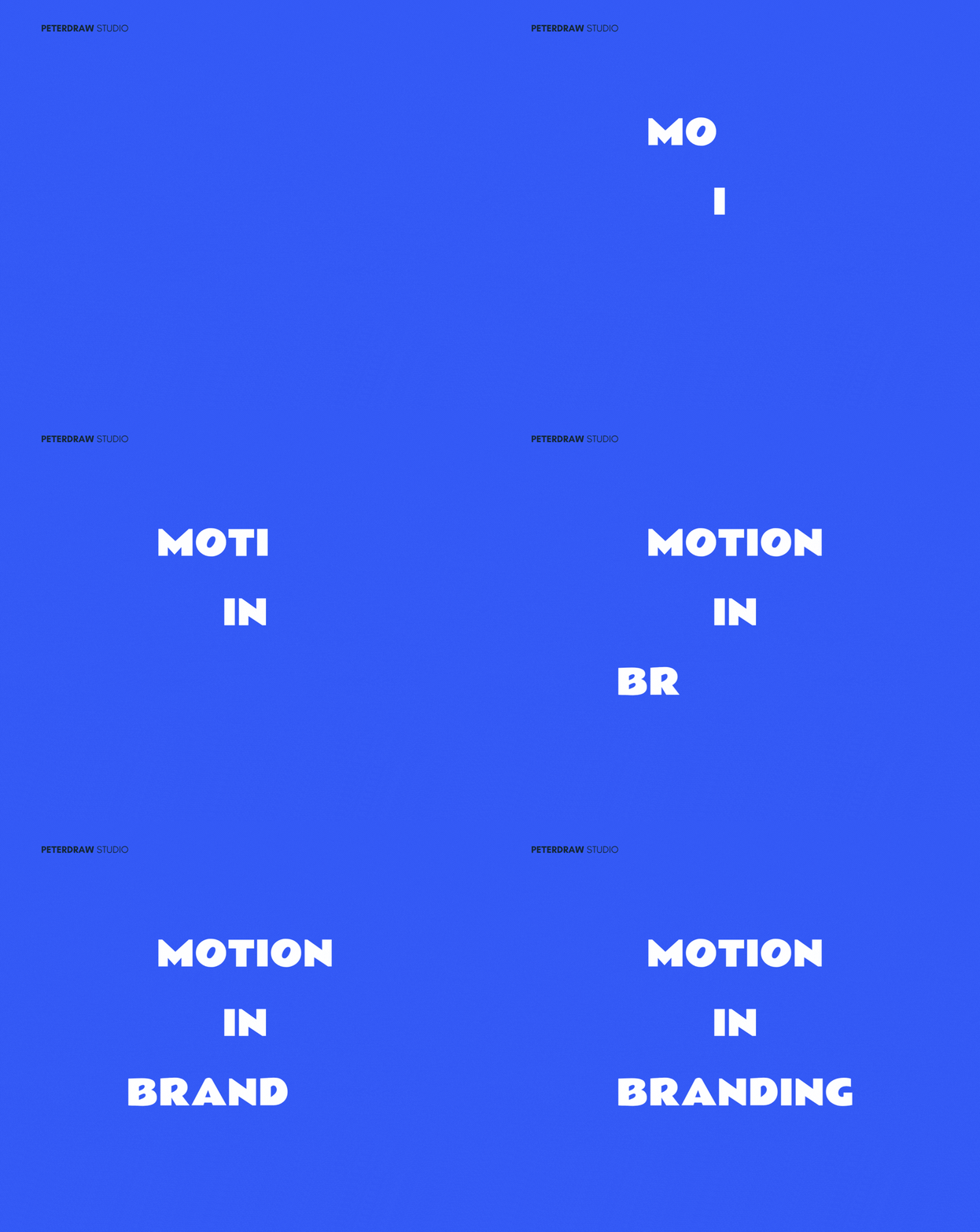
The digital landscape has changed how we consume content. Therefore, videos and animations perform better than static images on platforms like Instagram, TikTok, YouTube, and websites. Here's why motion design in branding is so powerful:
Our brains are wired to notice movement. A still image might get ignored, but something that moves stands out. Studies show animated content keeps viewers watching longer and boosts recall. For brands, this means more people remember your name or message.
Motion adds emotion and personality. A calm, fluid animation can make a spa brand feel relaxing, while quick, energetic bounces suit a sports brand. It conveys feelings words or static images can't always capture, like trust, excitement, or innovation.
Many brands explain tricky products or services. Motion design breaks them down: arrows point, steps appear one by one, charts grow. This is great for explainer videos, onboarding screens, or ads.
A strong brand feels the same everywhere. With motion design in branding, you create guidelines for how elements move (e.g., always smooth and bouncy for a fun brand). This creates a "living" identity that works on apps, social posts, TV ads, or digital billboards.
Animated ads often get higher clicks and shares. People stay longer on websites with nice transitions, leading to better user experience. Brands see increased loyalty because the brand feels more alive and approachable.
Motion graphics feel most powerful when you use them with real intention. Not sprinkled everywhere, but exactly where they can shine. The idea is to place movement in spots that grab attention, make things clearer, add emotion, or simply feel more human and responsive.
Here are the moments where motion really pays off:
And the places where motion usually gives the biggest lift:
When motion lands in the right spots, your brand stops feeling flat. It starts feeling warm, modern, and impossible to scroll past.
Many leading brands already show how powerful motion can be. They use it to grab attention instantly, express personality, and create stronger emotional connections. Hence, motion design has become a core part of modern branding, especially on digital screens where people scroll fast and expect things to feel alive.
Here are some standout examples that bring the concept to life, with links so you can see the motion in action:
Motion design is quickly becoming essential for brands that want to stay relevant in a fast-moving digital world. It creates stronger first impressions, keeps people engaged longer, and makes every interaction feel more personal and intuitive. In a sea of static content, thoughtful movement helps your brand feel approachable, modern, and alive.
As screens expand across phones, smart TVs, wearables, and AR devices, static visuals are starting to feel a bit outdated. In a world flooded with still content, a little well-placed movement can help your brand stand out and feel more approachable. Motion adds that extra spark of life. It guides attention, simplifying complex ideas, and building emotional connections in just seconds.
Whether you're a designer exploring animated branding strategies or a business aiming to strengthen brand perception, embracing motion design in branding is a smart step forward. It’s not about flashy effects. It’s about making your brand move with purpose, clarity, and personality.