
.jpg)
Web Design Trends 2026 Part 2: 6 Emerging Styles Shaping the Year
Stay updated with web design trends 2026, featuring TL;DR experience, 2.5D design, and more, plus useful implementation tips.
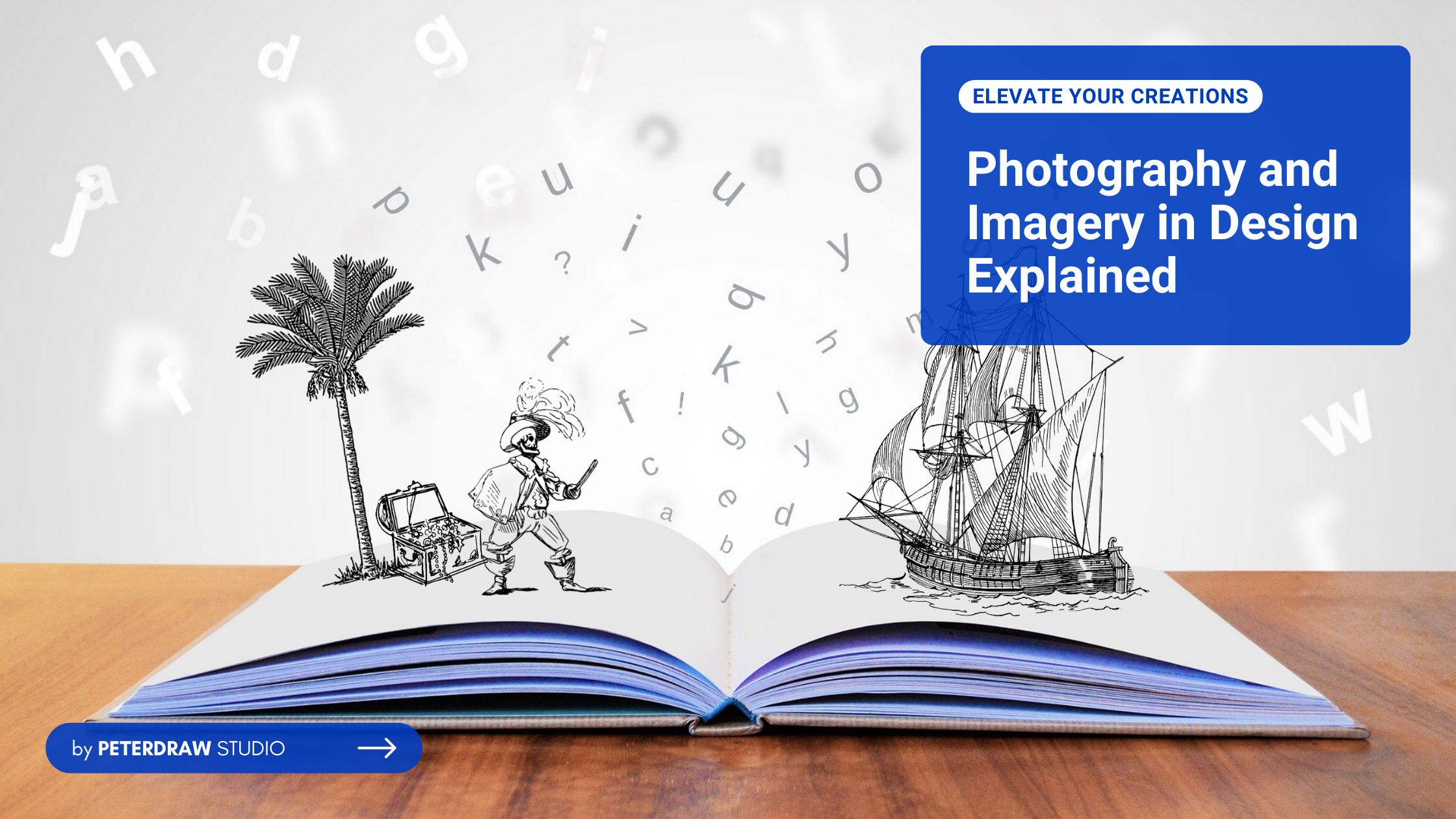


Creating a more engaging and captivating design can’t solely depend on shapes and colors. Designers also need other elements to bring visual appeal that can enhance the emotional impact. Photography and imagery are the right elements to include in a design to elevate those visual and emotional impacts. Is that the only role of photography and imagery in design? Let’s find out more here.
Every element in the design has its own role, as do photography and imagery. Photography and imagery can enhance visual communication, evoking emotions, and creating meaningful connections with the audience. They are powerful tools to convey messages quickly, establish a visual hierarchy, and support storytelling.
It is recommended to use high-quality imagery to improve the design. These elements improve aesthetic appeal, reinforce brand identity, and add realism to designs. At the end of the day, these elements make designs more engaging and memorable. However, when you use unsuitable photography or imagery in design, it will be a disaster.
The purpose of using photography or imagery in a design is to elevate its values in various aspects, especially visual and communication aspects. Unfortunately, their misfit use in a design can have significant negative consequences that affect both the visual appeal and the overall impact of the design.
Applying unfit photography and imagery has the opposite impact. It weakens communication, damages credibility, and disrupts the user experience. Hence, designers must pick Thoughtful, high-quality visuals that align with the design's purpose and audience. They are essential to creating impactful and successful designs.
Photography and imagery are not only used to beautify a design visually. As per their role, they come with many benefits, especially for people who want to deliver their message through design. Here are the most beneficial uses of photography and imagery in design.
Have you ever wondered why people from different countries with different languages still can catch the message of a design? It is all thanks to this design element. Photography and imagery act as universal languages that transcend cultural and linguistic barriers. A well-chosen image can quickly convey the essence of a message that might take paragraphs to explain. For example, a serene landscape photo immediately communicates relaxation, making it perfect for travel or wellness brands. (travel website, hero or landing page)
No need for intricate design with complicated element combinations to capture the audience's attention. High-quality imagery grabs the viewer’s focus faster than text or other design elements. Eye-catching visuals, especially in prominent areas like a hero section, compel users to explore further. This is crucial in today’s fast-paced digital world where attention spans are limited, making the first impression critical.
A design that evokes emotion creates a deeper impression. Some visual elements, like photographs or images, can do the trick. The right visuals trigger emotional responses, such as joy, trust, or excitement, which can influence behavior. Emotional resonance makes the design memorable and encourages deeper connections with the audience.
Photography and imagery in design can strengthen brand identity. How? Consistent photography styles and imagery choices can help solidify a brand’s personality and values. Whether it’s the use of muted tones for a minimalist brand or vibrant colors for a youthful brand, imagery reinforces what the brand stands for. Over time, audiences associate these visuals with the brand, creating a strong recall factor.
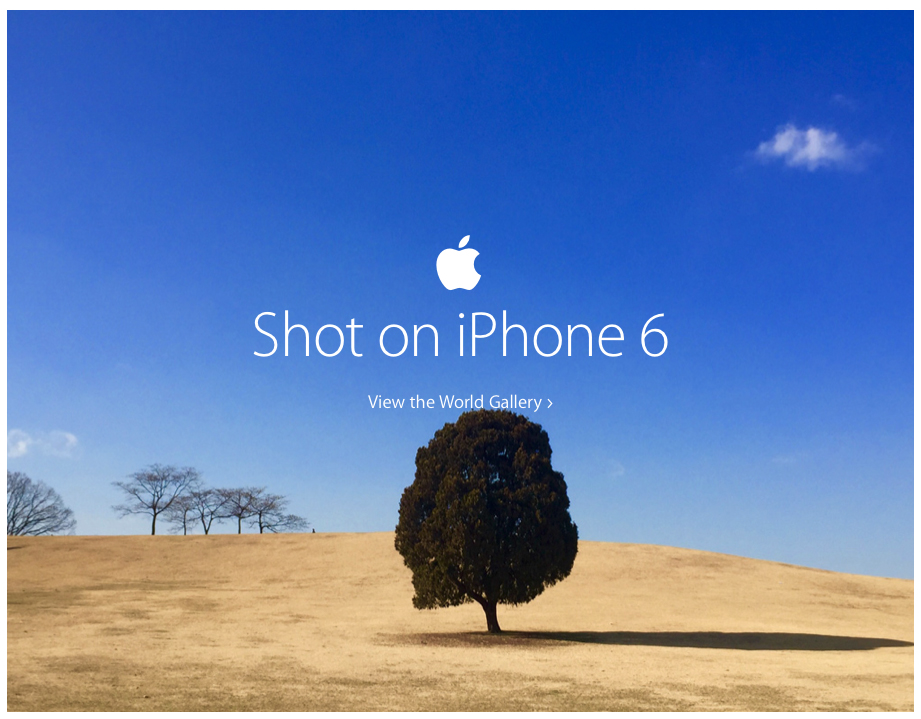
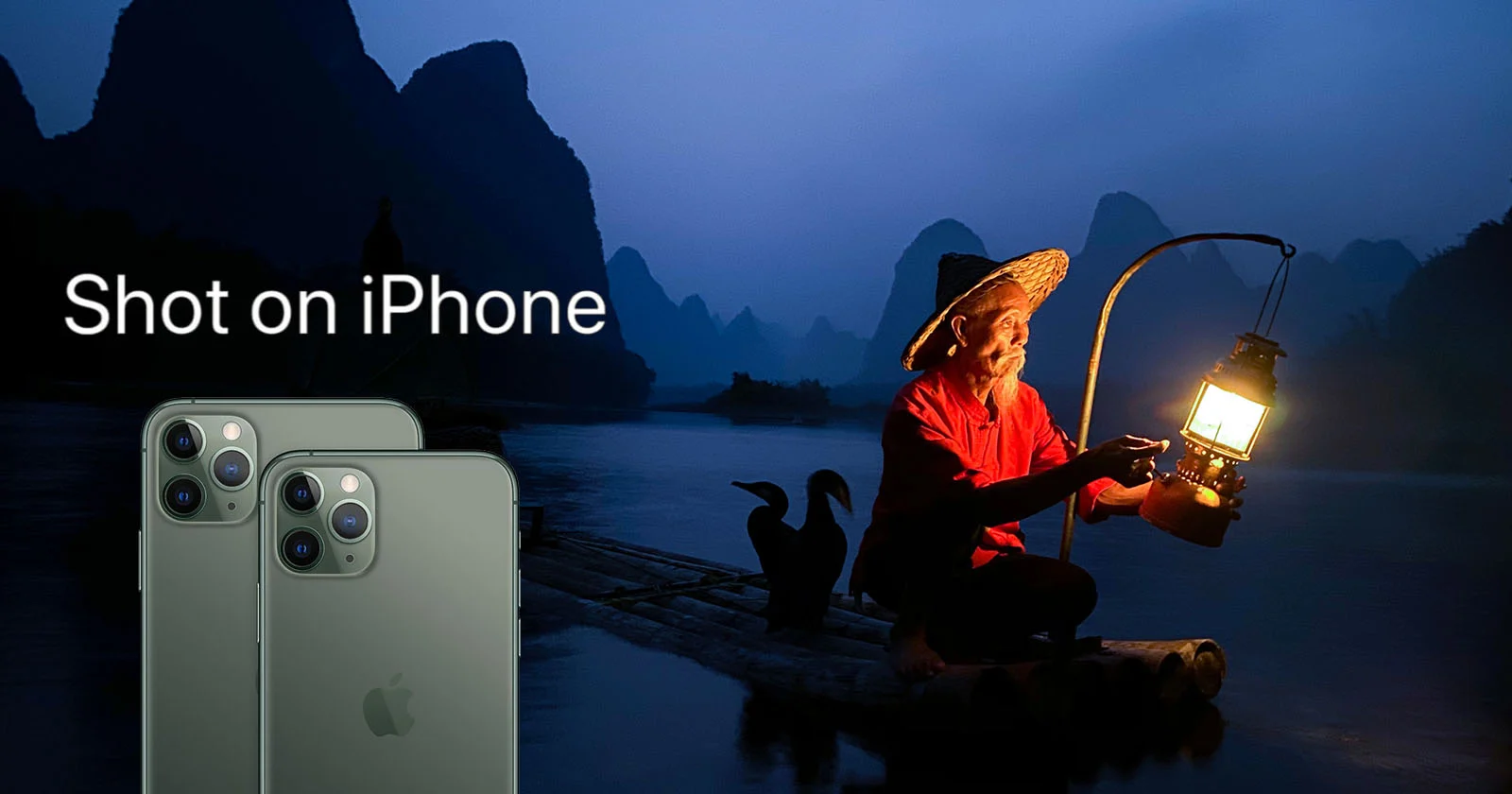
Conveying information, campaigns, and messages becomes easier when applying the concept of storytelling in design that is supported by fitting photography or imagery. This is especially true because photography can tell a story that complements and elevates the narrative in the design. This creates a more immersive experience, allowing users to connect with the story on a deeper level than text alone can achieve.
Visually rich designs with high-quality imagery perform significantly better in terms of interaction. On social media, posts with compelling images tend to get higher likes, shares, and comments. Similarly, in web design, strong visuals keep users engaged, reducing bounce rates and increasing time spent on the page.
Imagery not only captures attention. It also guides audiences’ attention to the desired point. Imagery helps establish a clear visual hierarchy, ensuring that viewers focus on key elements. Therefore, photography and imagery in design not only improve usability but also help guide the audience through the content in an intentional way.
Besides all that functionality and purpose, a design still needs its aesthetic. Photography and imagery add visual richness and depth to a design, making it more appealing. Polished visuals give a professional look, enhancing trust and credibility. When paired with thoughtful layouts and typography, high-quality images elevate the entire aesthetic of the design, ensuring it stands out from the competition.
Incorporating photography and imagery is indeed important for visual and communication purposes. However, it doesn’t mean they can be used carelessly without considering the content and the message to deliver. Here are some tips for effectively incorporating photography and imagery in design.
The power of photography and imagery in design lies in their ability to transform ideas into visually compelling narratives. By selecting visuals that align with the message, designers can craft experiences that resonate deeply with their audience. Let each image serve a purpose, adding both aesthetic value and emotional depth to ensure your design leaves a lasting impression.