
.jpg)
Web Design Trends 2026 Part 2: 6 Emerging Styles Shaping the Year
Stay updated with web design trends 2026, featuring TL;DR experience, 2.5D design, and more, plus useful implementation tips.
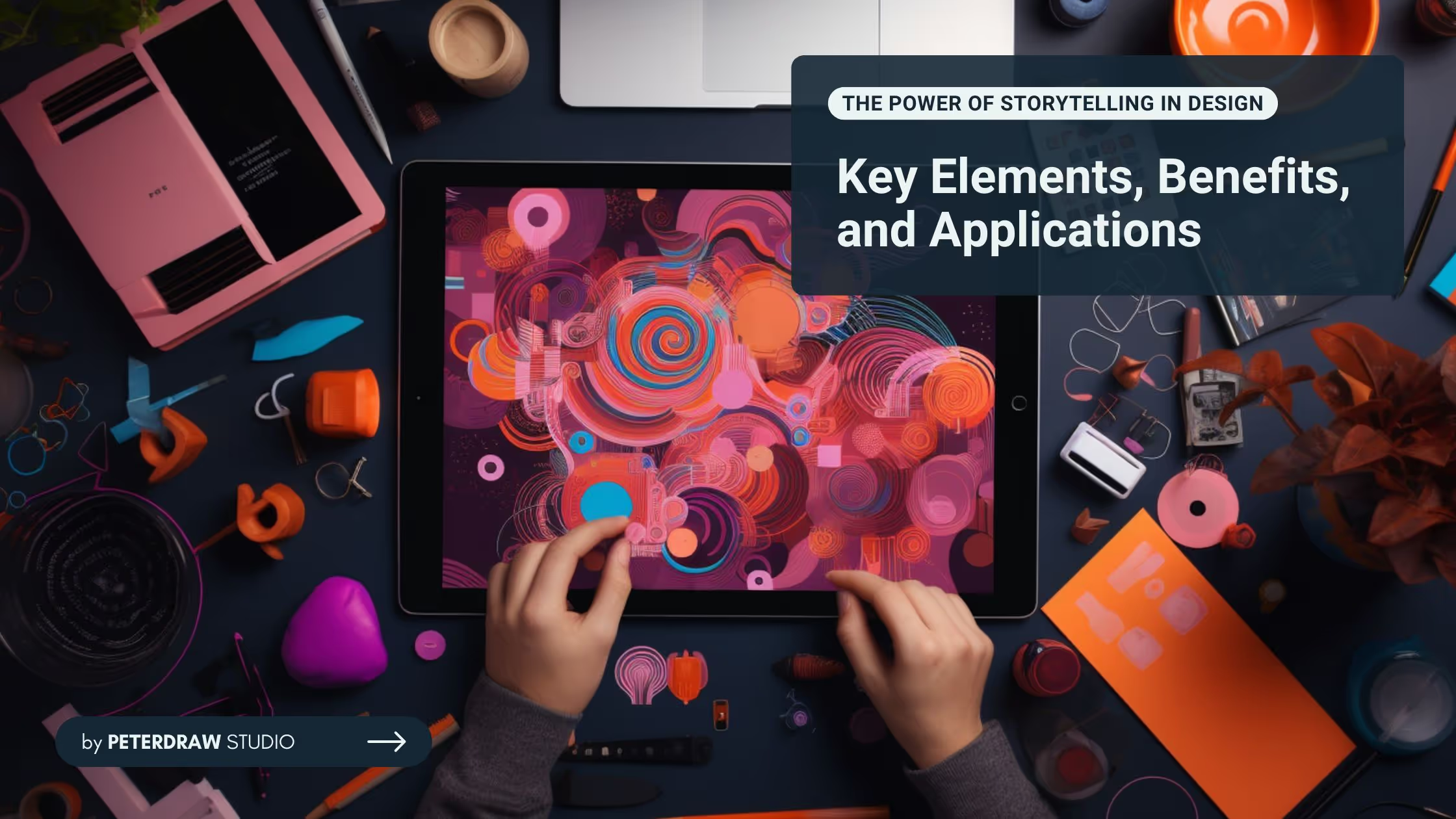


Designers use various approaches to create more appealing, inviting, and user-friendly designs. One approach that truly stands out is storytelling. Storytelling in design goes beyond simply presenting a story; it establishes a deeper connection with the audience, fostering understanding and engagement. Let’s explore how the storytelling approach transforms design into a more meaningful experience.
If you have to define storytelling in design, then it can be interpreted as a creative approach that integrates narrative techniques into the design process. It involves conveying ideas, evoking emotions, and engaging audiences. It focuses on crafting a meaningful journey by weaving elements like visuals, text, and interactions into a cohesive narrative that resonates with users.
Rather than merely presenting information or aesthetics, design with a storytelling approach aims to create experiences that are relatable, memorable, and emotionally compelling. It bridges the gap between functionality and human connection. Thus, it helps users understand the purpose and value of a product, service, or brand in a way that feels personal and intuitive.
Storytelling in design is more than just adding narratives. It’s about strategically blending visuals, emotions, and functionality to create experiences that resonate with users. To build it, there are important storytelling components that designers must pay attention to. Therefore, designers can craft compelling and immersive journeys that engage, inspire, and leave a lasting impact. Let’s explore the key elements that make storytelling in design effective.
The foundation of storytelling is understanding the users, their needs, preferences, emotions, and aspirations. The story should align with their journey, offering relatable solutions or experiences.
Stories evoke emotions, and emotions drive engagement. Designers can create emotional connections by thoughtfully integrating elements, such as color, typography, imagery, and layout. These connections make designs memorable and impactful, leaving a lasting impression on users.
Effective storytelling in design follows a structure similar to most stories, with a beginning to set the context. The story then moves through the middle to present challenges or values and concludes with an end that delivers a resolution or call to action.
A good design story remains consistent across all platforms and media. It ensures a unified brand voice, enhancing trust and familiarity with the audience.
Combining visuals and text strategically amplifies the narrative. Visual storytelling, using illustrations, animations, or photographs, communicates emotions and ideas with remarkable speed. It is often more effective than relying on text to capture attention and convey meaning.
The storytelling approach also incorporates interactive engagement, especially in modern designs. Interactive elements such as animations, hover effects, and micro-interactions make the story dynamic. They allow users to feel like active participants in the narrative, too.
Storytelling in design is not just a creative tool. It’s a strategic approach that enhances the way users interact with and perceive a product or brand. By embedding narratives into design elements, storytelling creates emotional connections, fosters engagement, and drives meaningful actions. Here are the key benefits that storytelling brings to design.
Design plays a vital role across various disciplines and industries by incorporating storytelling techniques. Whether enhancing user interfaces or strengthening brand identity, storytelling in design transforms ideas into compelling experiences that resonate with audiences. These are some practical ways this approach can have a meaningful impact.
Use storytelling to guide users through an intuitive journey, highlighting key features or benefits at every stage. This approach engages users and enhances their overall experience. For instance, the website "Biological Preparations" employs a compelling 3D environment. It takes users on an informative journey about biotech products, turning a complex subject into an exciting narrative.

Create a consistent narrative across logos, packaging, advertisements, and campaigns to convey the brand’s ethos. This strategy strengthens brand identity and fosters emotional connections with the audience. A notable example is Burberry's 2016 film "The Tale of Thomas Burberry,". The film dramatizes the founder's life, effectively communicating the brand's heritage and values.
Use storytelling to make data-driven presentations more relatable and persuasive by embedding insights into a compelling narrative. This technique captures attention and ensures key points are memorable. For example, Spotify's "Wrapped" campaign presents user data in a personalized story format, engaging users by showcasing their unique listening habits.

Develop prototypes with scenarios that mimic real-life interactions to illustrate the context and purpose of the design. This user-centered approach ensures practicality for real-world applications. An example is the "HBO Voyeur" project, which created an interactive experience. It allows users to explore stories within a simulated apartment block, demonstrating the potential of interactive storytelling in design.
The storytelling approach in design is a transformative approach that bridges functionality with emotional resonance, turning ordinary designs into meaningful experiences. By incorporating clear narratives, visual metaphors, and user insights, designers can craft stories that truly connect with audiences. This process requires thoughtful research, creativity, and a commitment to understanding the values and needs of the users.
As you implement storytelling in design, remember that every design has the potential to tell a powerful story. Whether through simplicity, emotional engagement, or visual communication, storytelling allows your designs to leave a lasting impact. By refining your narratives and continually testing their effectiveness, you can create designs that resonate deeply, inspire action, and elevate the overall user experience.
"Design is in everything we make, but it’s also between those things. It’s a mix of craft, science, storytelling, propaganda, and philosophy." — Erik Adigard, designer and media artist