
.jpg)
Web Design Trends 2026 Part 2: 6 Emerging Styles Shaping the Year
Stay updated with web design trends 2026, featuring TL;DR experience, 2.5D design, and more, plus useful implementation tips.
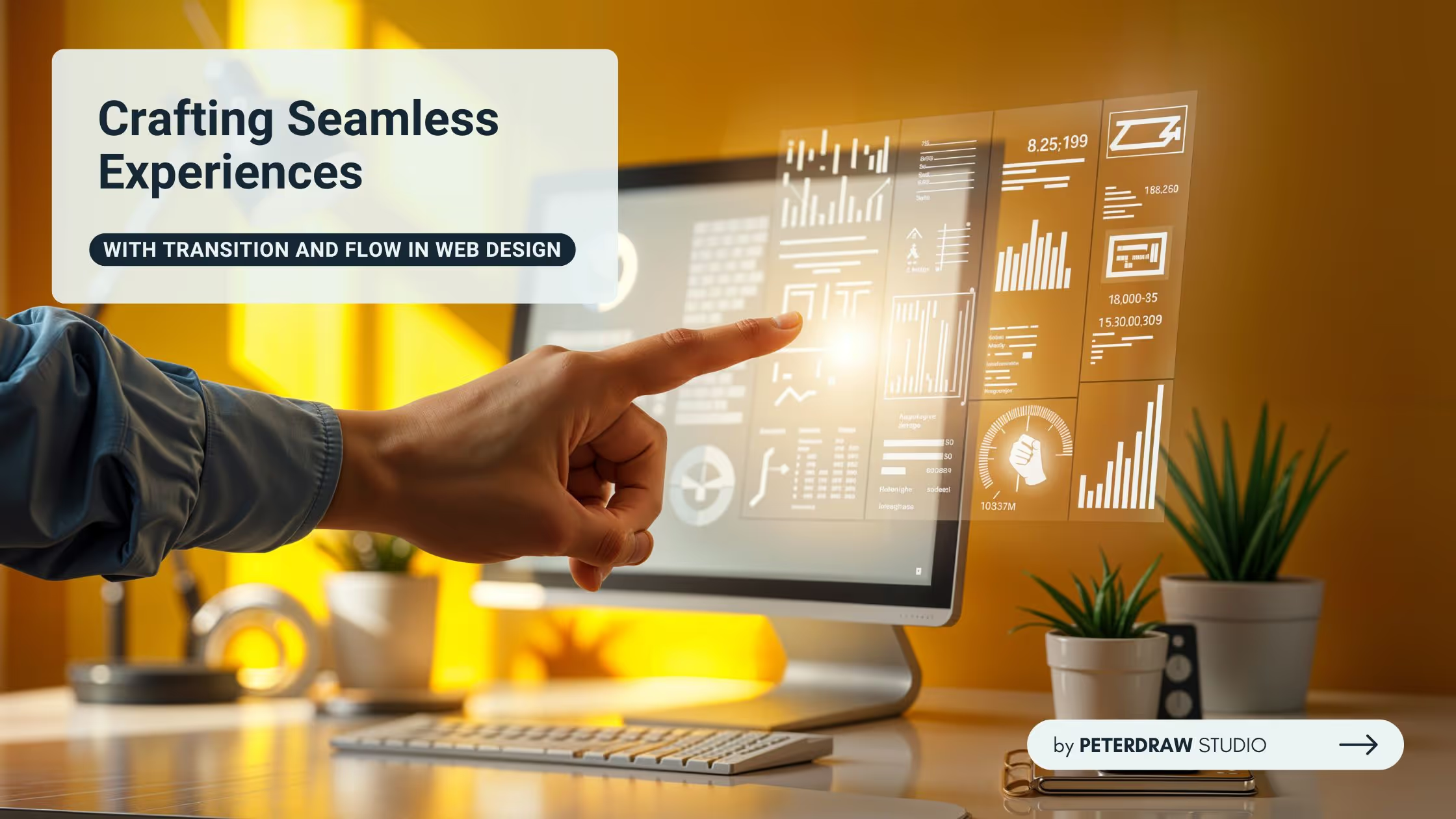


Thoughtfully applying design principles is key to creating functional and engaging designs. These principles form the foundation of user-friendly designs, particularly in web design, where interaction shapes the user experience. Among those principles, transitions and smooth flow stand out as essential for delivering an intuitive and enjoyable experience. How important are transitions and flow in web design?
Transition and flow are interconnected principles that work together to enhance design. Transition defines how users navigate between visual elements or interactions. It creates smooth shifts between states or sections, improving clarity and user engagement. Meanwhile, flow focuses on how effortlessly users move through a design. It establishes a clear and intuitive direction, helping users transition smoothly between different points.
Smooth transitions enhance user engagement by making interactions feel natural and intuitive. A well-thought-out flow ensures that users can achieve their goals efficiently, minimizing frustration and confusion. Together, these elements create seamless and satisfying navigation experiences.
To create a seamless and intuitive user experience, it’s essential to focus on the principles that underpin effective transitions and flow in design. These principles enhance usability by ensuring users can navigate and interact with ease. Though simple, they empower designers to create experiences that are consistent, logical, and highly engaging.
Effective transitions enhance engagement and establish a seamless flow. Yet, poor implementation can disrupt user experiences and hinder navigation. Watch out for these signs, as they may indicate issues with the website’s overall design.
Applying transitions to web design can make it more engaging. However, transitions must be used strategically to contribute to a seamless flow. So, here are some techniques that can improve transition and flow in web design.
Small, engaging animations (like hover effects or loading spinners) that offer feedback without overwhelming the user. These subtle effects create a sense of responsiveness and make interactions feel polished. They can highlight important actions, such as completing a task or form.
Smooth scrolling or parallax effects can make transitions between sections dynamic while keeping users engaged. These effects can guide users through content in a visually appealing way. However, they should be used sparingly to avoid distracting from the content.
Use fade-ins, slide-ins, or subtle animations to make navigation between pages feel smooth. These transitions create a sense of continuity and help users stay oriented. They are particularly useful for emphasizing relationships between different sections or pages.
Highlight changes in UI components, such as dropdowns or toggled switches, with subtle animations. It provides clear feedback, helping users understand the result of their actions. Animated state changes can also make the interface feel more dynamic and interactive.
Some guides may help you provide a better transition and flow in web design. Nevertheless, a designer also has to consider some points to have an intuitive and effective flow. Here are the points.
Transition and flow are crucial for creating seamless and intuitive web designs. By following best practices, designers can enhance user engagement and navigation. These guidelines ensure that every interaction feels smooth, accessible, and optimized across all devices.
Ensure transitions are fast enough to avoid delays but slow enough to be perceptible. A well-paced transition keeps users engaged without causing frustration. Overly slow or fast animations can disrupt the user experience.
Use motion sparingly and provide options to reduce animations for users with motion sensitivity. Accessible designs cater to a wider audience and ensure inclusivity. Always test transitions with accessibility tools to ensure compliance.
Adapt transitions and flow for smaller screens, ensuring usability on touch devices. Consider the limitations of touch gestures when designing interactive elements. Smooth transitions on mobile help users focus on content without distractions.
Designing effective transitions and flow in web design can be a complex task. One common challenge is overusing animations, which can overwhelm users and slow down the site. Balancing creativity with simplicity is crucial to avoid creating distractions that harm the user experience. Ensuring smooth transitions on different devices, especially mobile, adds another layer of difficulty, as responsiveness requires precise adjustments.

Transition and flow are crucial for creating seamless and intuitive web designs. By following best practices, designers can enhance user engagement and navigation. These guidelines ensure that every interaction feels smooth, accessible, and optimized across all devices.
Ensure transitions are fast enough to avoid delays but slow enough to be perceptible. A well-paced transition keeps users engaged without causing frustration. Overly slow or fast animations can disrupt the user experience.
Use motion sparingly and provide options to reduce animations for users with motion sensitivity. Accessible designs cater to a wider audience and ensure inclusivity. Always test transitions with accessibility tools to ensure compliance.
Adapt transitions and flow for smaller screens, ensuring usability on touch devices. Consider the limitations of touch gestures when designing interactive elements. Smooth transitions on mobile help users focus on content without distractions.
Designing effective transitions and flow in web design can be a complex task. One common challenge is overusing animations, which can overwhelm users and slow down the site. Balancing creativity with simplicity is crucial to avoid creating distractions that harm the user experience. Ensuring smooth transitions on different devices, especially mobile, adds another layer of difficulty, as responsiveness requires precise adjustments.