
.jpg)
Web Design Trends 2026 Part 2: 6 Emerging Styles Shaping the Year
Stay updated with web design trends 2026, featuring TL;DR experience, 2.5D design, and more, plus useful implementation tips.



Websites act as the main gateway to information, services, and connection. Hence, building with universal design ensures everyone can access and interact without barriers. Originating from architecture and product design, this principle now defines inclusive web experiences. It embeds accessibility from the start, shaping digital spaces that are usable by all.
This approach promotes proactive inclusivity rather than reactive adjustments after launch. It benefits people with disabilities and those in different situations or environments. The Center for Universal Design highlights its impact on diverse users across the globe. In web development, it aligns with WCAG standards, empowering designers to craft seamless, equitable digital experiences.
Universal design emerged in the 1990s through the work of Ronald Mace and his team of architects and designers. Its goal is to eliminate barriers by anticipating diverse user needs. Unlike traditional accessibility, which targets specific disabilities, it embraces inclusivity for all, creating environments usable by everyone.
In digital spaces, universality in web design focuses on adaptability and consistency across devices and contexts. A site built with this approach ensures smooth experiences regardless of platform or ability. Features like resizable text, voice navigation, and high-contrast options enhance usability, ensuring no user feels left out or limited.
This design philosophy is guided by seven key principles that promote inclusion and clarity. Applying these principles helps designers create intuitive, user-friendly, and accessible web design practices. The result is an online environment that fosters equal participation, reduces exclusion, and strengthens overall engagement for every type of user.
To achieve universal design in a website, designers can follow seven guiding principles. Developed by the Center for Universal Design, these principles remain timeless and adaptable across digital contexts. Each one provides direction for creating inclusive, intuitive, and flexible experiences that ensure every user can access and engage effortlessly.
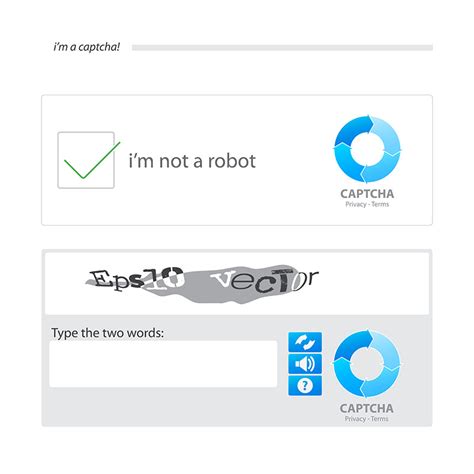
The design should be useful and appealing to diverse users. In web contexts, avoid features that exclude certain audiences, such as visual-only CAPTCHA puzzles. Provide audio or logic-based options instead. This supports accessible web design and ensures fair usability for everyone, regardless of ability or condition.
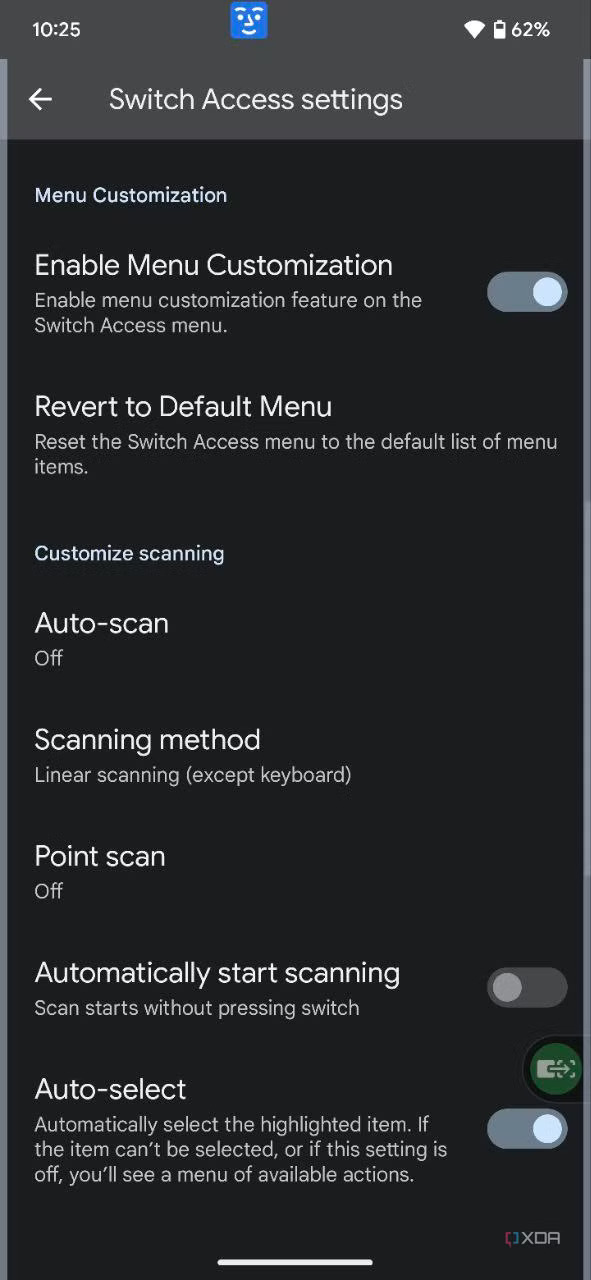
Support various user preferences and abilities through adaptable interfaces. For universal web design, this means adjustable text sizes, color themes, and input methods. Allow users to choose between keyboard, mouse, or touch. Responsive layouts using CSS media queries maintain smooth usability across all devices.
Keep every interaction easy to understand and consistent throughout the site. Use familiar icons, clear menus, and logical layouts. Apply progressive disclosure to reveal information gradually. This prevents confusion and helps users navigate confidently, regardless of their experience or concentration level.
Ensure content is understandable under any condition or sensory limitation. Use high-contrast text, descriptive alt tags, and transcripts for videos. These tools make information accessible through sight, sound, or touch. Every user should be able to perceive essential details clearly and comfortably.
Reduce the chance of mistakes and protect users from harm. Include confirmation prompts before deletion or undo options after key actions. These safeguards let users recover quickly. They also build trust and make digital interactions more forgiving and user-friendly.
Make digital experiences efficient and easy to use for everyone. Simplify tasks like checkout or navigation to minimize fatigue. Include swipe gestures or quick taps instead of complex steps. This benefits elderly users and those with limited mobility equally.
Provide enough space for comfortable access and interaction. Use touch targets at least 44x44 pixels in size. Keep sufficient spacing to prevent mis-taps. These adjustments ensure smooth navigation and improve usability for all device types and screen sizes.
Translating universal design into web development requires both technical skill and empathy. Begin with thorough user research to understand real accessibility needs. Use auditing tools like WAVE or Lighthouse to detect early barriers. Apply ARIA landmarks and semantic HTML structures so screen readers can navigate pages smoothly and logically.
For universality in web design, prioritize responsive frameworks like Bootstrap or Tailwind CSS. These frameworks naturally support adaptable layouts across screens and devices. Choose color palettes with sufficient contrast using WebAIM’s checker to meet WCAG standards. Always test keyboard-only navigation by tabbing through pages to ensure smooth accessibility.
Integrate multimedia thoughtfully to improve user inclusion and engagement. Provide closed captions, transcripts, and descriptive audio for videos and podcasts. Label form elements clearly and link error messages properly for better usability. Progressive enhancement ensures essential content loads first, maintaining access even on older browsers or slower connections.
Balancing aesthetics with functionality can be challenging but achievable. Avoid overly complex visuals that disrupt accessibility or confuse screen readers. Offer animation toggles using prefers-reduced-motion settings to support comfort. By embedding universal design in agile workflows, teams create inclusive, tested, and refined web experiences for every type of user.
When applied effectively, universal design turns websites into inclusive, efficient, and future-ready spaces. It builds trust, enhances usability, and ensures accessibility for every user, creating digital experiences that are both functional and humane.
Ultimately, embracing universal design fosters equity, innovation, and sustainability, creating a web that welcomes and empowers everyone equally.
Building inclusive digital spaces isn’t without its hurdles. Designers often face tension between creativity and usability, as visually striking elements can sometimes hinder accessibility. Limited budgets or timelines may also cause accessibility to be overlooked, making early planning and collaboration essential for consistent, user-centered results.
By embracing empathy and adaptability, these challenges become opportunities for innovation. Testing with diverse users, using accessibility tools, and refining feedback loops all strengthen design outcomes. Ultimately, adopting universal design ensures every digital experience is not only functional but welcoming, reflecting a web built for everyone.