
.jpg)
Web Design Trends 2026 Part 2: 6 Emerging Styles Shaping the Year
Stay updated with web design trends 2026, featuring TL;DR experience, 2.5D design, and more, plus useful implementation tips.
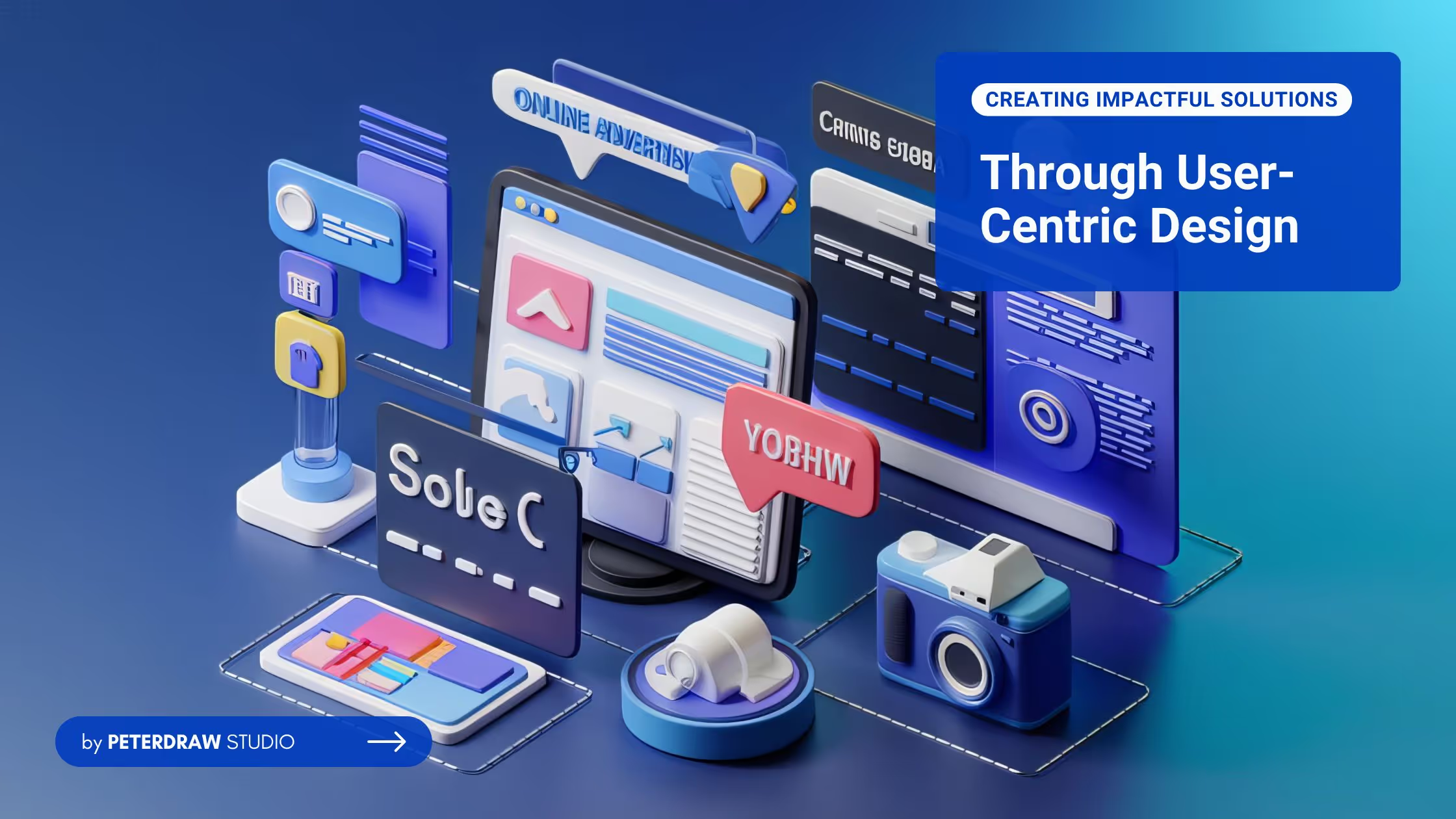


Ego as a designer sometimes takes the better of designers, leading to prioritizing visual appeal over functionality. However, the user will interact with the design. So, designees have another responsibility to balance visual appeal, functionality, and user needs. Hence, user-centric design plays a critical role in ensuring that the design is not only aesthetically pleasing but also intuitive, accessible, and functional for the intended audience.
User-centric design is not just the product result. It is a design philosophy and process where the needs, preferences, and behaviors of the end-users are prioritized throughout the design and development lifecycle. This process aims to create products, systems, or services that are not only functional but also enjoyable and easy to use.
At this point, some designers should think more about their approach to creating design products. They have to sacrifice of using their preferences and consider more about the user needs, whether it is about using colors, layout, or other design elements.
"The essence of UX design is to create a product that meets users' needs while providing an engaging and enjoyable experience." Interaction Design Foundation
You can apply a user-centric design approach to various projects, whether it is custom projects for clients or various products that you sell through the marketplace. The thing you have to consider is its key principles. Understanding the principles can help in creating a better design that is received well by the users.
Users are the center, so understand them well. So, it is essential to thoroughly research the target audience to create effective designs. Identifying their needs, behaviors, pain points, and goals allows designers to craft solutions that truly resonate. Tools, such as surveys, interviews, focus groups, and analytics are invaluable for gathering deep insights into user expectations and preferences.
Put yourself in the user’s shoes is the meaning of designing with empathy to truly understand their experience. Considering diverse perspectives ensures the design addresses the needs of different user groups. Furthermore, designers can create products that resonate with a wider and more varied audience by prioritizing accessibility and inclusivity.
User-centric design thrives on iteration. The process involves continuous cycles of design, testing, and refinement. Rather than following a rigid linear approach, designers should use prototypes to gather feedback early and often. This iterative approach ensures the final design meets both user needs and functional requirements.
Simplicity is key to creating intuitive designs that users can navigate effortlessly. By minimizing clutter and focusing on essential interactions, designers can ensure the interface is easy to understand. The goal is to create a seamless experience that reduces the learning curve for users and allows them to achieve their objectives quickly.
A user-centric approach must cater to all users, including those with disabilities. Designers should adhere to accessibility standards like the Web Content Accessibility Guidelines (WCAG) to ensure an inclusive experience. Accessibility considerations include clear navigation, readable text, and compatibility with assistive technologies.
Working on user-centric design means a collaborative effort. It requires close coordination among designers, developers, marketers, and stakeholders to align on user goals. By working together, teams can pool their expertise to create a cohesive product that effectively meets user needs and achieves business objectives.
There are some steps to take to create a good design with users in mind. Of course, it focuses on their needs, behaviors, and expectations and follows the key principles. During the process, designers can create intuitive, accessible, and functional designs eventually. Let’s explore each stage of this process in detail.
Embracing a user-centric design approach offers numerous benefits that extend beyond just creating a functional product. This approach offers more that even will be useful for business growth and acknowledgement. Here are some key advantages of this approach.
By addressing user pain points and needs, you create a product that users find enjoyable and valuable. When users feel understood and supported, they are more likely to recommend the product. This satisfaction drives positive word-of-mouth and builds trust over time.
When users feel the product is tailored to them, they're more likely to continue using it. Engaging features and intuitive design keep users coming back. Long-term retention strengthens relationships and creates loyal advocates for your brand.
Early user testing reduces costly revisions later in the process. Fixing issues early avoids expensive redevelopment during advanced stages. This efficiency saves both time and resources for the development team.
Positive user experiences translate into trust and loyalty for your brand. Happy users are more likely to stick with your product, and consistent satisfaction helps position your brand as a reliable and user-focused solution.
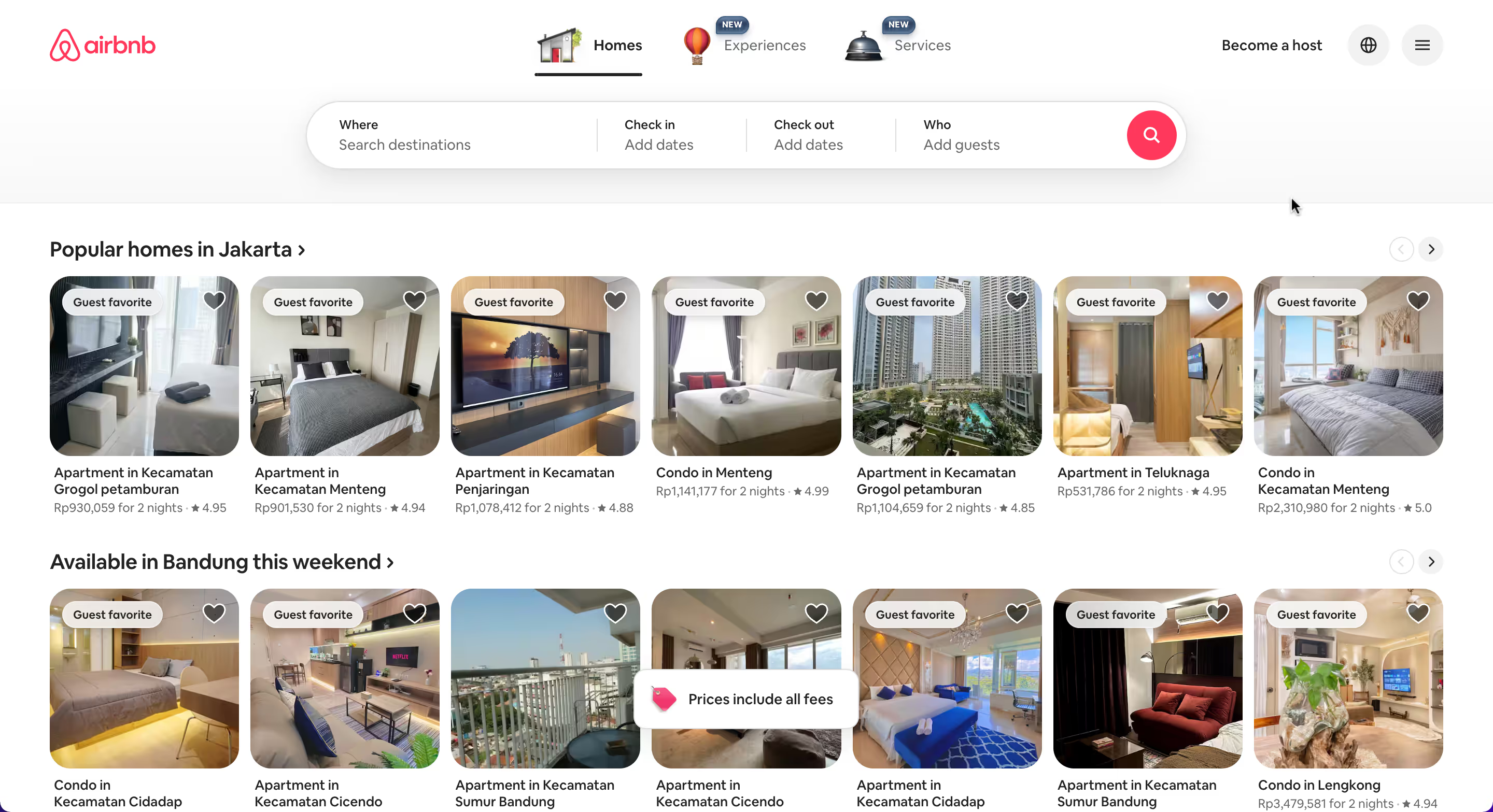
User-centric design isn’t just a concept—it’s a practical approach that drives real results across industries. However, among them, these are the most common applications in the real world in various industries.
As we move forward, the importance of user-centric design will only grow, shaping how we create products that serve diverse audiences. Designers must remain adaptable, embracing feedback and refining their approach to meet evolving user needs. Prioritize empathy, collaboration, and accessibility to craft meaningful experiences. By mastering these principles, you ensure your designs are not only functional but also future-ready and impactful.