
.jpg)
Web Design Trends 2026 Part 2: 6 Emerging Styles Shaping the Year
Stay updated with web design trends 2026, featuring TL;DR experience, 2.5D design, and more, plus useful implementation tips.
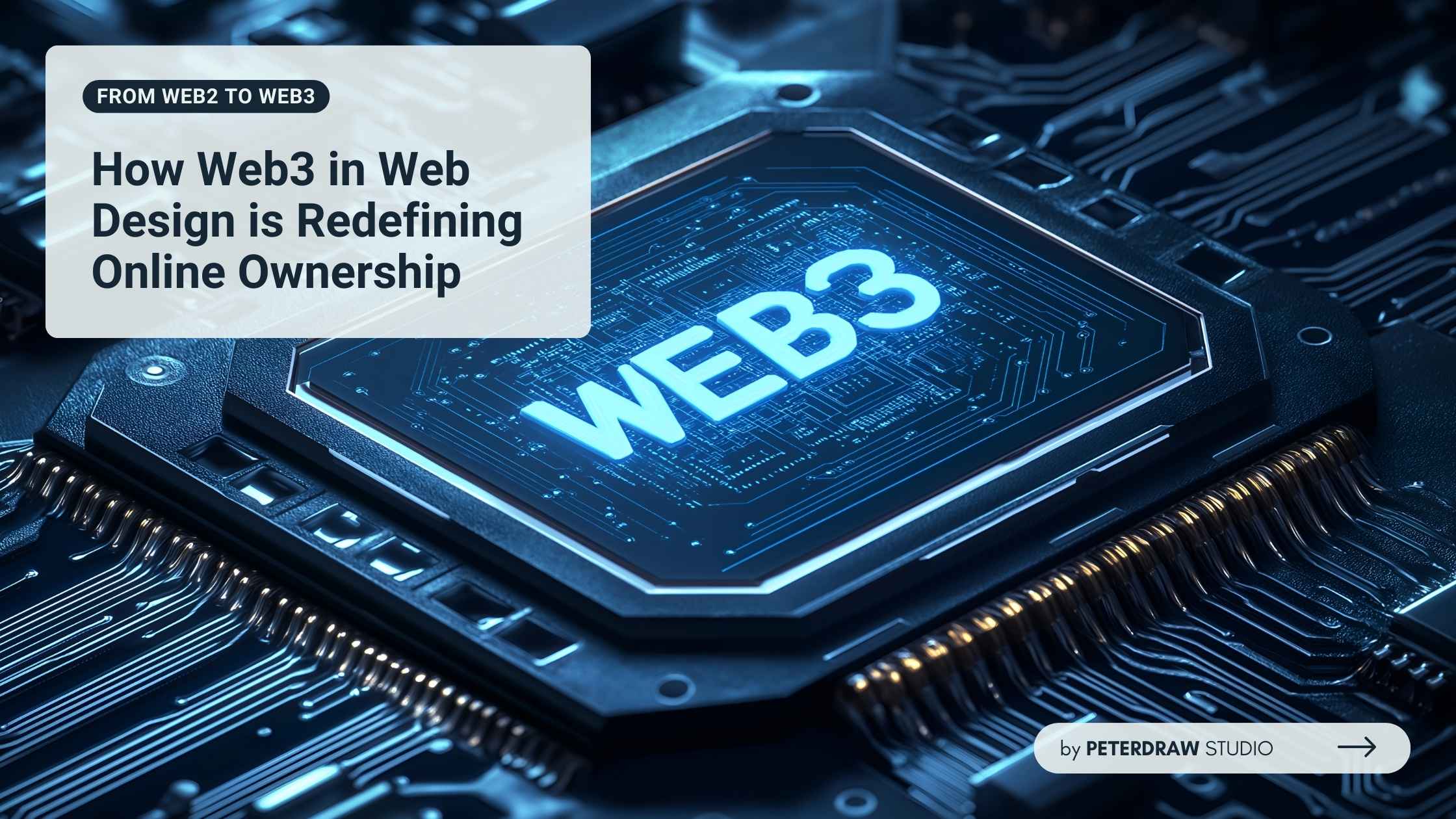


Websites aren’t static pages anymore. They’re living, breathing experiences. They connect, entertain, and empower users across the globe. But what if the web could do more? Enter Web3 in web design, a revolutionary shift in digital ownership. It makes the internet more secure, decentralized, and user-driven. This change redefines creativity, interaction, and freedom online for everyone.
This transformation isn’t some far-off futuristic dream. It’s happening now. From e-commerce to community-led platforms, Web3 is reshaping everything. It’s giving users power, designers flexibility, and developers new possibilities. The future of the web is collaborative, transparent, and inspiring. Let’s explore how it’s redefining the way we connect and create.
Before diving into design, let’s start with the basics. Web3 is the next stage of the internet’s evolution. Unlike Web1’s static pages and Web2’s centralized platforms, it’s built on decentralization and user control. Through blockchain technology, it shifts power from corporations to individuals, enabling transparency, trust, and digital ownership like never before.
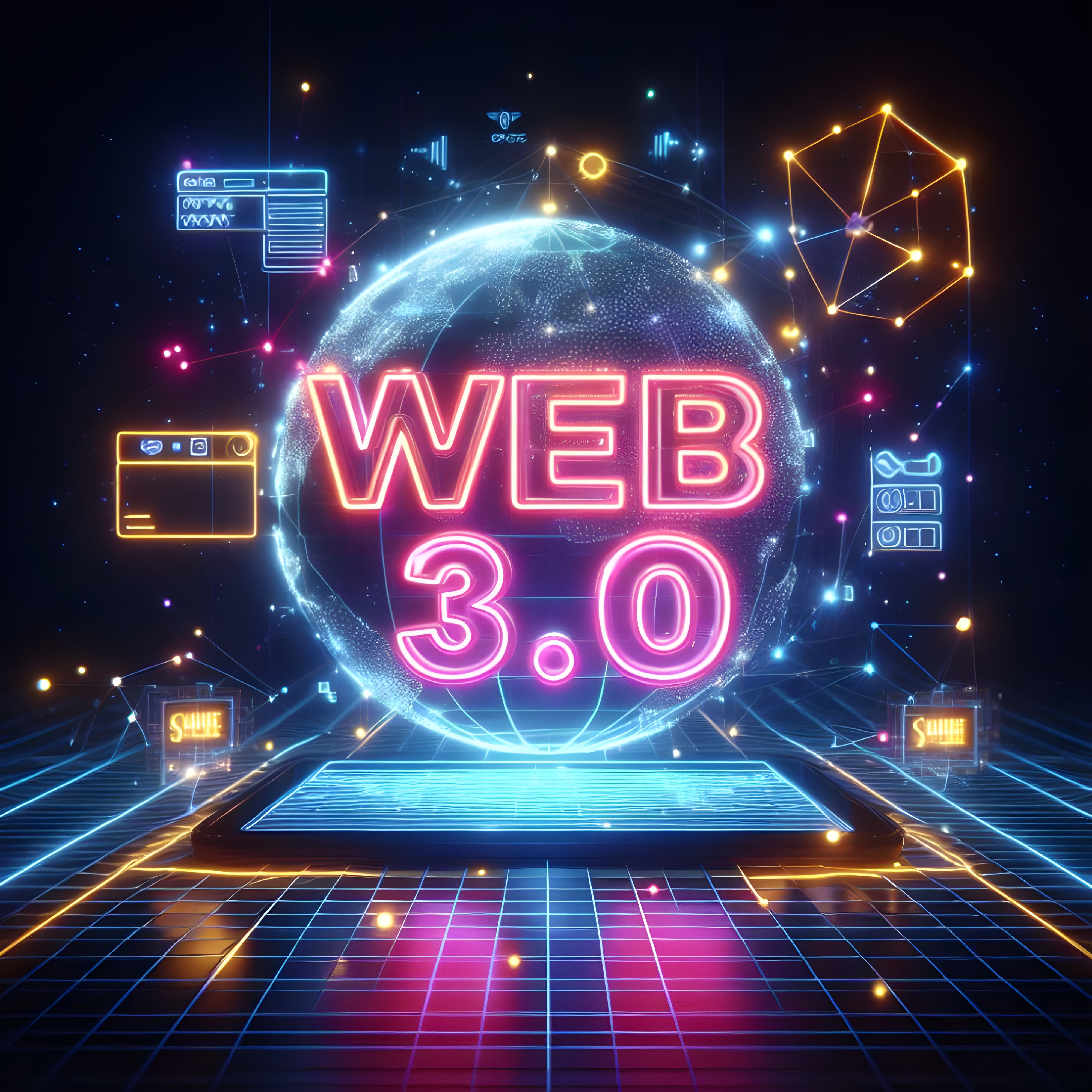
Think of blockchain as a digital record that no one can alter. Everyone can see it, but no single entity owns it. This system powers things like NFTs, cryptocurrencies, and smart contracts. These tools redefine how we exchange value, verify authenticity, and collaborate online, creating a web that’s fairer, more open, and community-driven.
For web designers, this shift opens new creative challenges and opportunities. Web3 in web design merges visual appeal with blockchain innovation. It’s about crafting interfaces that are secure, interactive, and user-owned. Related technologies like decentralized apps and crypto wallets are shaping how people connect and engage. The web is no longer static. It’s becoming a living ecosystem.
Traditional web design focuses on how users see and feel. It values clarity, beauty, and usability above all else. But Web3 adds something deeper in web design: interaction with real-world value. Imagine logging in with a digital wallet instead of passwords. No more forgotten logins or hacks. Your identity and assets stay fully in your control.
This shift isn't just technical; it's creative. Decentralized web design encourages bolder, more dynamic visuals. These include animated gradients reacting to blockchain events or 3D elements showing network nodes.
To make Web3 in web design work, designers juggle form and function. Let's break down the must-haves.
The wallet is the door to every Web3 experience. It acts as your digital key to blockchain ownership. Designers must make wallet connections smooth and friendly for all users. Buttons like “Connect Wallet” should feel clear and safe, not tech-heavy. A simple flow builds trust from the first click.
Pro tip: Start small. Explain wallet linking in plain terms. Say “Connect your wallet to own your data instantly.” Use tools like WalletConnect or MetaMask SDK for a seamless setup. This helps Web3 in web design feel human, not overwhelming.
Web3 connects multiple blockchains, each with its own vibe. A smart design should adapt visually and technically between them. Interfaces can shift color, tone, and layout based on the network. It’s the next level of responsiveness, beyond screen size, into chain-based personalization.
Pro tip: Design flexible themes that signal which blockchain users are on. For example, use bright palettes for fun networks and dark tones for finance dApps. Always keep UI elements consistent to avoid confusion.
In decentralized design, trust is everything. Security cues help users feel safe during transactions. Use verified badges, success animations, and real-time confirmation visuals. These small touches make decentralized interactions feel transparent and reliable.
Pro tip: Reinforce trust with simple, human cues. Add short confirmations like “Transaction verified on blockchain.” Avoid flashy alerts that create stress. A calm, consistent design builds lasting confidence in your product.
Web3 is bringing 3D life to websites. Imagine exploring a digital art gallery or stepping into a brand’s metaverse. These experiences blend design, storytelling, and interaction. WebGL, AR, and VR tools make this possible on modern browsers.
Pro tip: Focus on smooth performance before heavy effects. Use optimized 3D models and subtle animation loops. Keep visuals meaningful. Every AR or metaverse element should add value, not distraction.
Web3 web design is buzzing with creative new directions. It builds on blockchain’s power while keeping users at the center. Designers now balance innovation with accessibility and sustainability. This shift changes how websites look, feel, and function online. Below are key trends shaping the future of digital design today.
AI now tailors layouts using secure on-chain data. Dashboards shift themes based on wallet behavior. Each session feels personal, ethical, and private, redefining modern blockchain UI/UX standards.
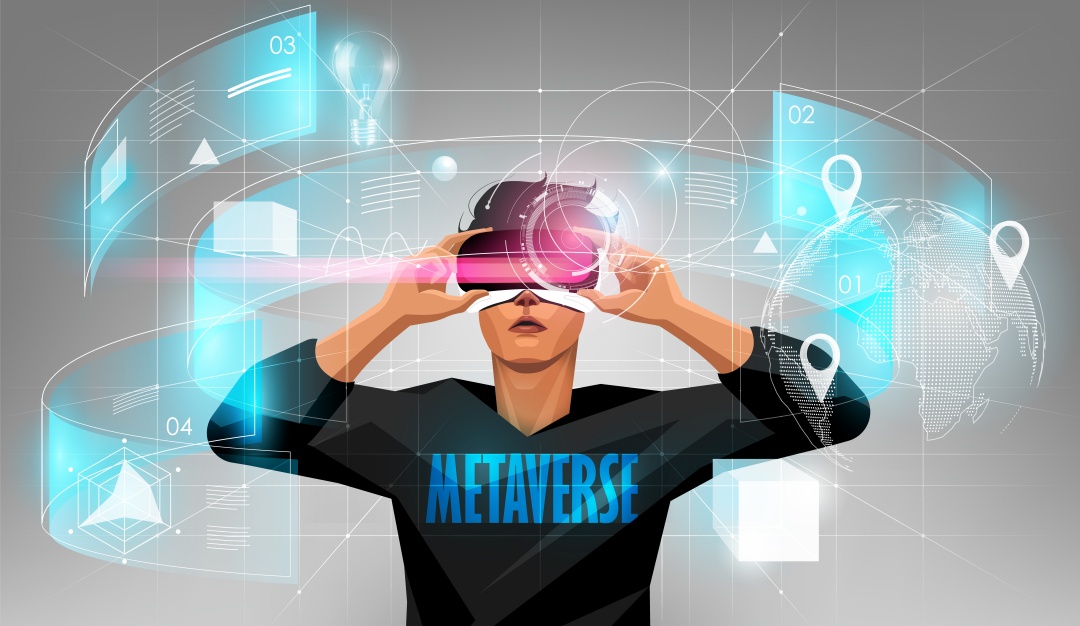
Designers use 3D tools to create lifelike virtual spaces. Users explore, shop, or attend events as avatars. Seamless wallet links make these metaverse experiences feel real.
Web3 concepts become easier through interactive game-like design. Badges, rewards, and animations keep users motivated. This decentralized web design trend transforms learning into playful engagement.
Web3 designers embrace greener, efficient digital experiences globally. Optimized visuals and low-energy interfaces support sustainability. Simplified wallet connections promote eco-friendly, accessible Web3 in web design.
Every revolution faces challenges, and Web3 is no exception. Blockchain transactions can sometimes lag, creating slow or “pending” moments for users. Designers solve this with creative loaders and interactive tips. Scalability also poses issues when traffic spikes, making optimized networks and off-chain caching essential for smoother performance.
Accessibility remains another key challenge in this transition. Not everyone owns a crypto wallet, so hybrid systems blend Web2 familiarity with Web3 innovation. Gentle education is vital, simple tooltips that explain “gas fees” as “transaction tips” help users learn easily. Collaboration between designers, developers, and blockchain experts will be the key to progress.
Looking forward, Web3 in web design is set to redefine digital interaction entirely. Expect personalized, secure, and user-owned experiences to become the standard. From freelance platforms with instant crypto payments to social networks powered by true ownership, the shift is underway. The web’s future is open, transparent, and built for everyone.